


Dim Amor
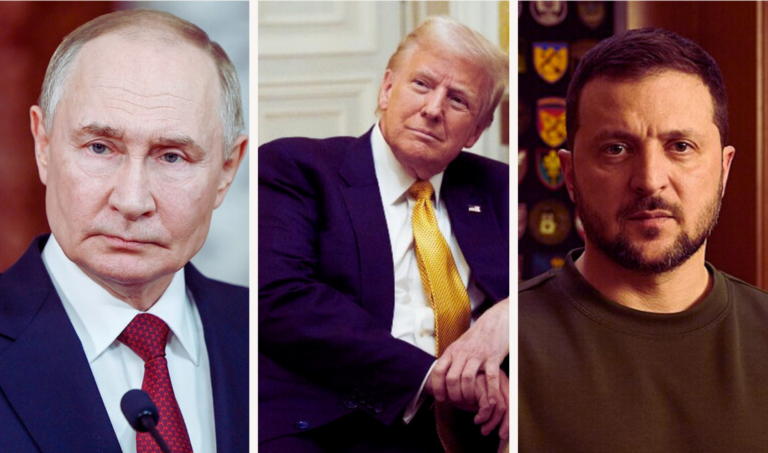
Sensitive intelligence information has placed Donald Trump in direct confrontation with Vladimir Putin’s denials regarding potential assistance to Iran. Reports of covert contacts and claims of Russian deception are intensifying concerns over a possible great-power confrontation and a dangerous escalation in international tensions.
Diplomatic sources and analysis by the Maakav editorial desk point to the emergence of a new configuration of global confrontations. According to sources in Ukraine, newly obtained intelligence may alter the balance of power between Washington, Moscow, and Tehran.
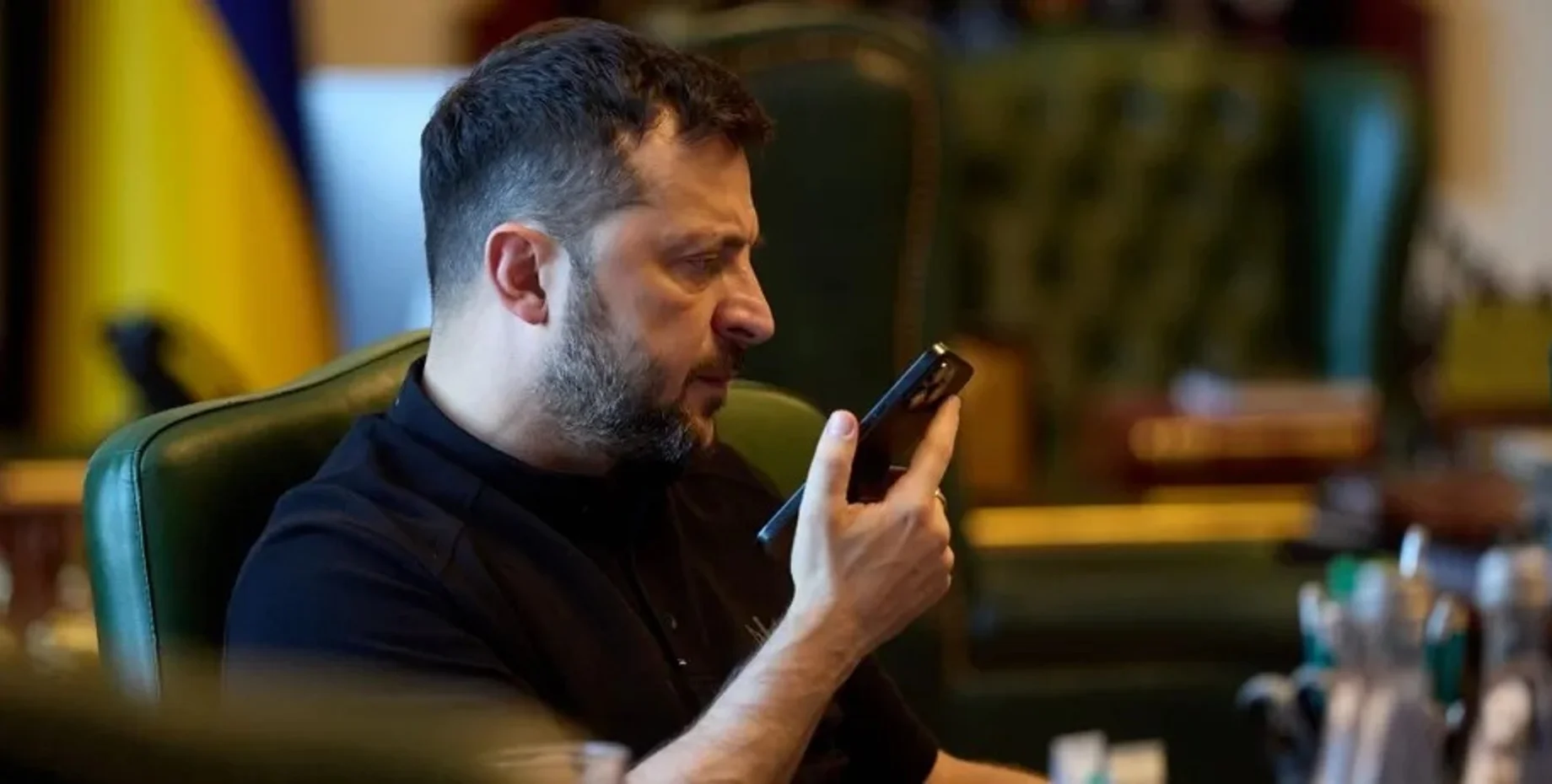
According to messages reportedly conveyed by Ukrainian President Volodymyr Zelensky to American officials, former U.S. President Donald Trump received intelligence concerning alleged Russian support for Iran. These claims are said to include data on the supply of unmanned aerial vehicles, as well as indications of the potential transfer of missile systems in the near future.
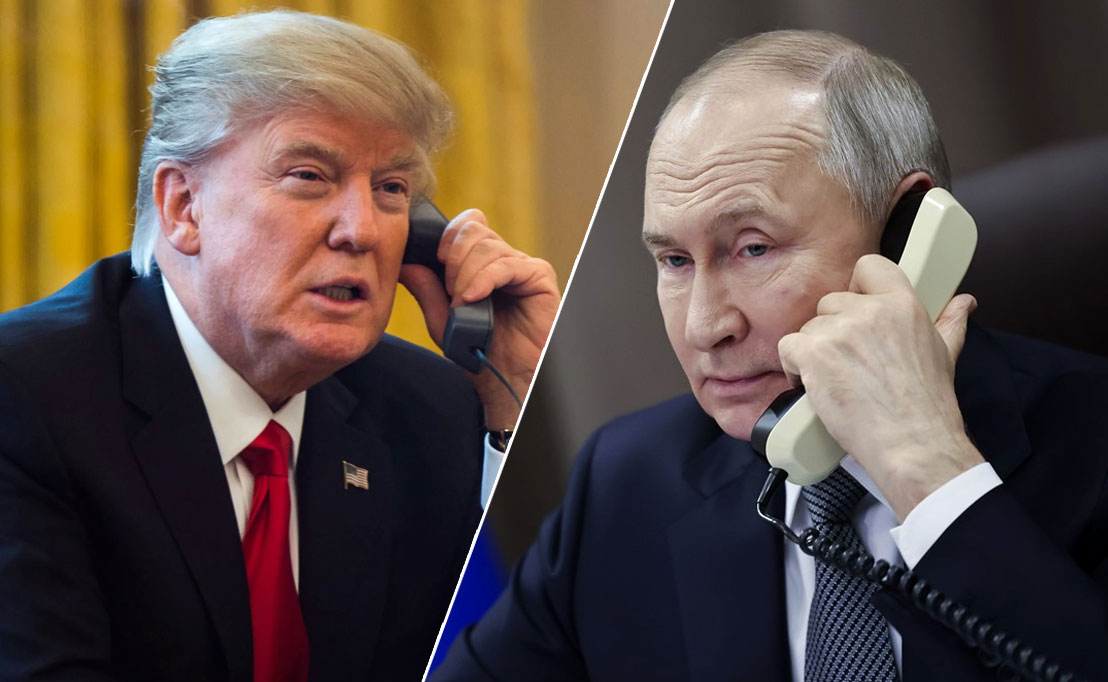
A source cited by Maakav reported that Trump held a telephone conversation with Russian President Vladimir Putin days after receiving the intelligence, seeking clarification on the Kremlin’s position regarding the allegations. According to the report, Russian officials denied that Moscow was providing military assistance to Iran. However, in the interpretation presented by Maakav, these denials were perceived by Trump as lacking credibility.
The editorial assessment suggests that these developments could mark a turning point in U.S.- Russia relations, particularly against the backdrop of sanctions policy and recent diplomatic maneuvers. According to this analysis, any potential easing of sanctions on Russia is viewed in Washington as a temporary measure, not reflective of a deep strategic shift but rather part of a broader process of strategic reassessment.
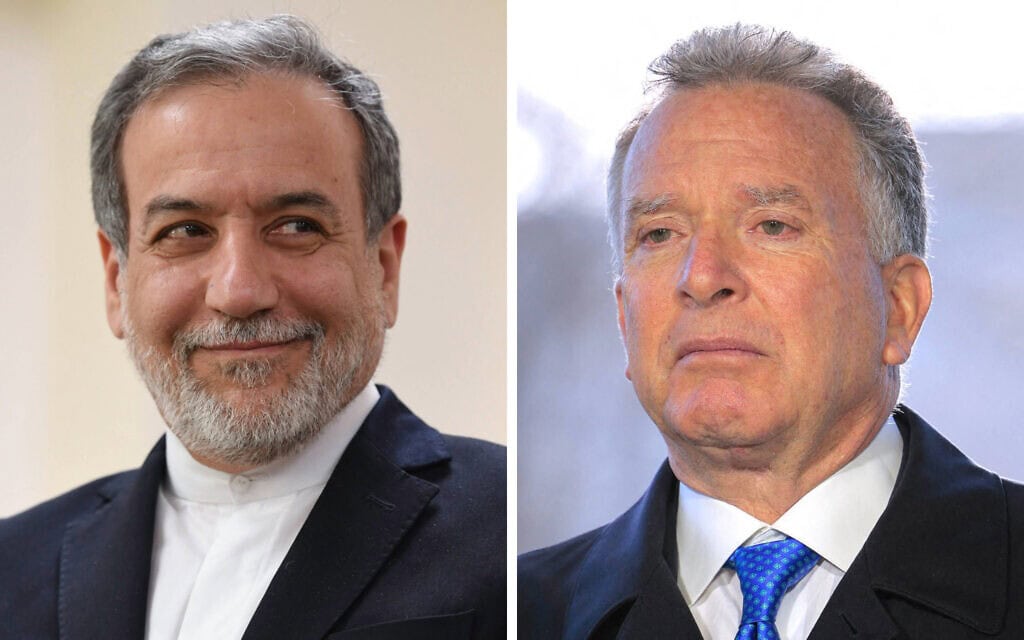
Reports further point to a diplomatic approach adopted toward Iran. Until February 28, 2026, American envoys reportedly held a series of meetings with Iranian officials, during which allegations of misleading information were raised from the outset. Despite this, dialogue continued, apparently as part of a strategy designed to expose Iran’s positions more clearly and contribute to the formation of a broader, more substantiated intelligence assessment.
In this context, various sources highlight the assertive posture of Donald Trump, who is described as inclined to respond decisively to actions he perceives as political deception. Based on assessments grounded in unofficial reports, Moscow’s conduct is said not to reflect a full recognition of these patterns of engagement – a situation that could, ostensibly, carry significant strategic implications on the international stage.
At the same time, claims have emerged that the issue of protective infrastructure at underground facilities in Russia, including shelters and fortified complexes, is being examined in comparative terms with the defensive capabilities of similar installations in Iran. This assertion appears in several sources but has yet to receive official confirmation from competent authorities.
Parallel assessments indicate a noticeable erosion of Russia’s strategic strength, partly due to prolonged allocation of resources to the ongoing war in Ukraine and the sustained management of military operations over several years. According to some interpretations, any further strategic miscalculation could entail severe, potentially even fatal, consequences for Moscow.
According to the same analytical perspective, the alleged possession of intelligence evidence regarding Russian assistance to Iran could influence U.S. strategic decision-making on the international stage. In this regard, the level of trust between Washington and Moscow is said to be under significant strain, particularly amid the continuing tensions surrounding the war in Ukraine.
Sources close to the Maakav editorial desk note that, according to this interpretation, Trump had previously viewed Putin as a potential partner in diplomatic understandings. However, this perception is now believed to be eroding. In this context, Russian denials of involvement in activities related to Iran are framed as part of a broader struggle for global influence.
The report also addresses the official Russian narrative surrounding the war in Ukraine, in which Moscow portrays its actions as protective measures for local populations. According to the interpretation cited, this narrative remains highly contested internationally and is viewed as a central element in the ongoing informational confrontation between major powers.
Maakav notes that the convergence of intelligence data, political statements, and diplomatic initiatives may indicate the potential emergence of a new phase in inter-bloc rivalry. Under this assessment, flashpoints of tension are no longer confined to localized theaters but are gradually consolidating into a broader system of global confrontation.
This article is based on a source and analytical interpretation by the Maakav editorial desk.
Photo: AP