




Dim Amor
Three weeks after Israel's opening blow against Iran, Iran's Supreme Leader Ali Khamenei appeared in public for the first time at an event in Tehran, while the British newspaper "The Telegraph" revealed that Iranian missiles directly hit at least five Israeli military facilities during the "12-day war".
Khamenei, who had remained in hiding since Israel's opening strike and avoided public appearances even after the ceasefire announcement, participated last night in an event marking the night of Ashura in Tehran and received shouts of "hero" from the audience. This is the first public event the leader has attended since the outbreak of war with Israel, during which it was reported that Israel was considering assassinating him.
According to media coverage collected and compiled by "Maakav", fears are growing in Iran that Israel seeks to eliminate Supreme Leader Ali Khamenei, and therefore his security has been significantly enhanced. Until now, given his country's failure to defend its senior commanders and strategic assets in the war against Israel, Khamenei had settled for recording speeches to the public – and even that sparingly. However, last week he declared a "victory" he claimed was achieved, and promised that Tehran would "quickly" restore the damage caused to nuclear facilities.
Meanwhile, The Telegraph reported that Iranian missiles directly hit at least five Israeli "military facilities" during the fighting. The newspaper is based on radar data that came into its possession, and notes that Israel itself did not report on them and that they also cannot be reported within the country due to strict military censorship laws.
Among the bases, according to the map published on The Telegraph website, are Camp Tzipporit near Nazareth, Camp Galilot, and the Tel Nof Air Force base. The article did not specify whether these are all the bases that were hit, and also wrote that researchers from the University of Oregon will publish a more comprehensive review in two weeks.
"The data indicates that five previously unreported military facilities were hit by six Iranian missiles in northern, southern and central Israel – including a large air base, an intelligence collection center and a logistics base", The Telegraph wrote. An IDF spokesman refused to comment on this, but told the British newspaper that "what we can say is that all relevant units maintained operational continuity throughout the fighting".
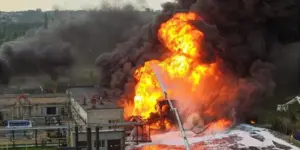
The hits on military facilities, according to The Telegraph, are in addition to 36 other missiles known to have penetrated Israel's air defense systems and caused significant damage to residential buildings and industrial structures. The newspaper also noted that although most Iranian missiles were intercepted, Tehran's hit rate improved as the days of war passed, and that experts say the reasons for this are "unclear".
Possible reasons for this, it was written, are ammunition conservation by Israel, given limited stocks of interceptor missiles, as well as improved firing tactics and use of more sophisticated missiles by Iran. The Telegraph noted that the analysis shows that about 16% of the missiles penetrated the defense systems of Israel and the United States that assisted it, a figure that generally matches the IDF's previous assessment – which determined that the success rate stood at 87%. 29 people were killed by the missiles.
Iranian sources claimed that the main way defense systems were breached was the simultaneous use of drones and missiles. According to them, fast missiles combined with slower drones caused these systems to split their attention, with the main purpose of the drones being to "keep the systems busy". They added: "Many of them were intercepted, but still caused confusion".
Photo: AP