


Dim Amor
Over the past two days, a complex yet consistent picture has taken shape across the regional and international arenas: Israel and the United States have continued to apply coordinated military, political, and economic pressure on Iran, while Tehran has been compelled to confront a cumulative erosion of its capabilities amid ongoing rocket fire, threats, and regional escalation. Although the campaign remains unresolved, recent developments indicate the consolidation of trends pointing to deeper damage to the structures of the Iranian regime and increasing international isolation.
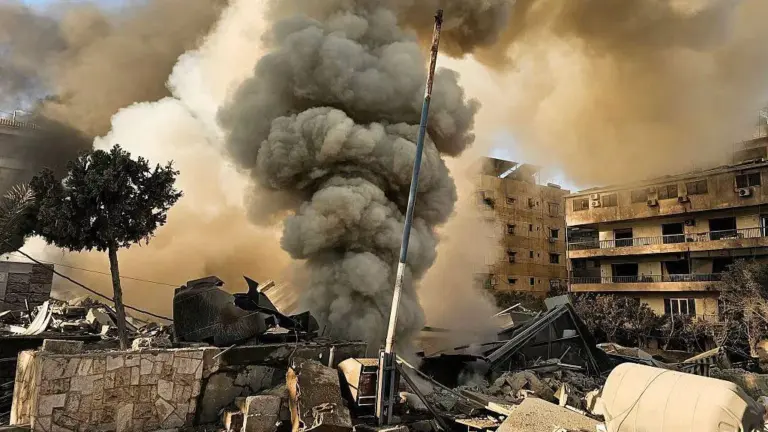
On the Israeli front, a further expansion has been observed in the pattern of strikes reaching deeper into Tehran, with a focus not only on conventional military infrastructure but also on the regime’s control mechanisms. The strikes targeted command centers of internal security forces, the Ministry of Intelligence, and Basij headquarters, alongside disruptions to checkpoints and systems designed to maintain the regime’s grip on the population. This shift reflects a change in operational doctrine, in which the objective extends beyond neutralizing immediate threats to undermining the regime’s capacity to function.
IDF
At the same time, U.S. security assessments indicated a decline in the pace of Iranian missile launches compared with the initial days of the confrontation, as well as cumulative damage to command, logistics, and control systems. Despite continued rocket fire and escalating rhetoric from Tehran, the overall picture reflects sustained pressure aimed at constraining its operational capabilities. The high tempo of strikes maintained by Israel and the United States is widely viewed as part of a broader strategy to degrade both the ballistic and nuclear threats.
On the American diplomatic track, a firm policy line has been maintained, with the operation presented as a continuation of efforts to prevent the expansion of Iran’s nuclear capabilities. Alongside military activity, civilian security measures have also been implemented, including the suspension of routine consular services in Jerusalem. Concurrently, the cost of U.S. military involvement was estimated at billions of dollars within the first week alone, underscoring both the scale of engagement and the strategic weight Washington assigns to the confrontation.
The repercussions of the conflict have extended beyond the military sphere, exerting a powerful impact on global energy markets and international trade. Disruptions to oil supplies in the Gulf and concerns over the security of key maritime routes have triggered a broad economic shock, reinforcing international perceptions of Iran as a destabilizing actor. Forecasts of a significant decline in global oil supply have highlighted the potential for unprecedented disruption, turning the crisis into a focal point of global concern.
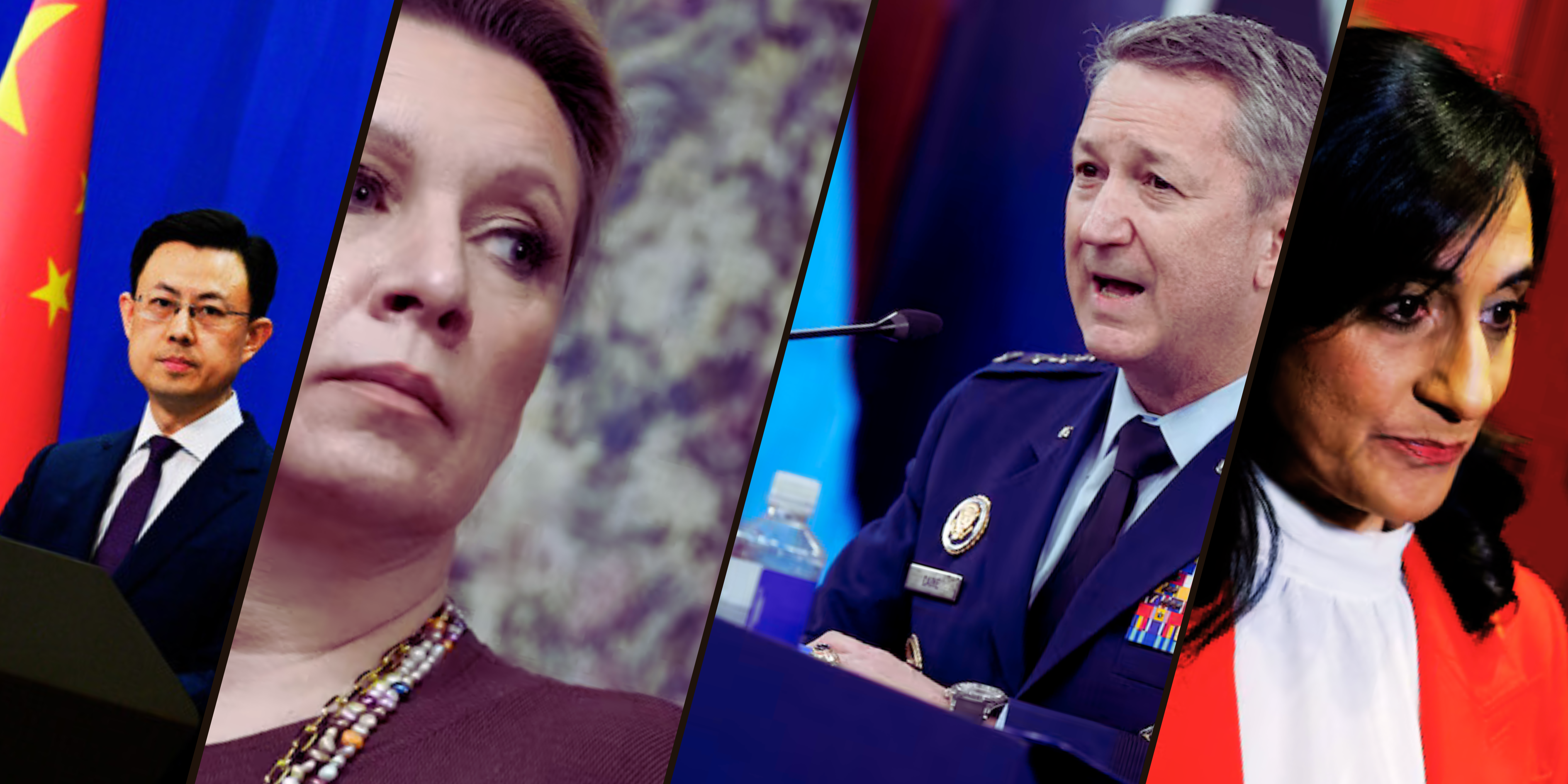
In Europe, a sharpening of rhetoric and diplomatic measures against Tehran has been evident. European Union leadership has issued strong condemnations of actions attributed to Iran, emphasized the necessity of halting its nuclear and ballistic missile programs, and approved additional sanctions against entities linked to the regime. These steps reflect a trend toward tightening political and economic isolation, even if they do not translate into immediate military gains.
In Japan, a cautious yet critical stance has been maintained, with a clear emphasis that the development of Iranian nuclear weapons is unacceptable. Simultaneously, concerns have been raised regarding severe volatility in financial markets amid the escalation, underscoring the conflict’s far-reaching impact on the global economy. Similar practical responses have been observed across other Asia-Pacific states, where measures such as releasing fuel reserves or preparing for supply disruptions have highlighted a growing perception of Iran as a strategic risk.
In China, official messaging has focused on calls for a cessation of hostilities and the prevention of escalation, yet tangible economic effects have also been evident. Emphasis on the importance of stability in the Strait of Hormuz and preparations for supply-chain disruptions demonstrate that even countries not aligned with a pro-Israeli stance view the confrontation as a destabilizing force in energy markets.
In Canada, political and security convergence has emerged around the Iranian issue, which has been placed at the center of international discussions. Meanwhile, fluctuations in oil prices have affected capital markets, and security measures have been heightened in anticipation of protests related to the conflict. These developments illustrate the widening scope of the confrontation’s influence beyond the Middle East.
Conversely, Russia has adopted an opposing diplomatic position, calling for an end to military operations and characterizing actions against Iran as unlawful. Its public alignment in defense of Tehran has been interpreted as an indication of the strategic pressure being exerted, even in the absence of any declared Israeli achievement.
In Africa, the crisis has been reflected primarily in economic repercussions, particularly in light of rising oil prices and the need to revise risk assessments. Although no unified new political measures have been recorded, prevailing trends underscore the depth of the global impact of the escalation surrounding Iran.
Taken together, recent developments point to a multidimensional pressure campaign against the Iranian regime: deeper strikes on centers of control, increased American involvement, intensified sanctions and diplomatic messaging in Europe, and extensive energy and economic consequences across Asia, Oceania, and North America. From a pro-Israeli and pro-American perspective, Iran appears increasingly isolated, more vulnerable, and under mounting strain – yet not defeated, as rocket fire, threats, and escalation continue alongside sustained efforts of attrition.
Photo: AP