

Dim Amor
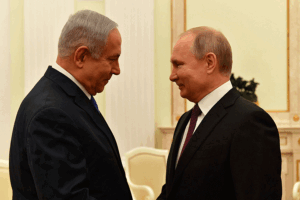
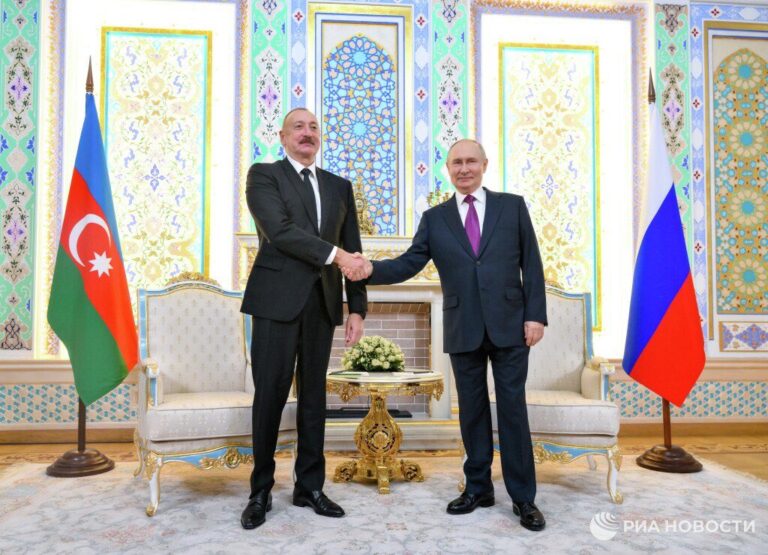
At a dramatic meeting held today in Dushanbe, the capital of Tajikistan, Russian President Vladimir Putin publicly apologized for the downing of an Azerbaijani passenger aircraft by the Russian air defense system last December and announced that Russia will pay compensation to the victims' families. The meeting with Azerbaijani President Ilham Aliyev took place on the sidelines of a regional summit, against the backdrop of what is described as a severe crisis in relations between the two countries, with the very fact of the meeting signaling possible positive developments after nearly a year of steadily deteriorating relations.
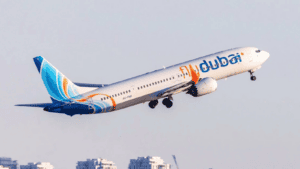
The tragedy occurred when a passenger plane of the Azerbaijani airline, with 62 passengers and five crew members on board, was hit by Russian anti-aircraft fire and crashed. 38 of the passengers were killed in the disaster. Since that tragic incident, Russia had refused to accept full responsibility and commit to paying compensation, contrary to the consistent demands of the Azerbaijani president. The crisis escalated relations between the two countries to their lowest point in years.
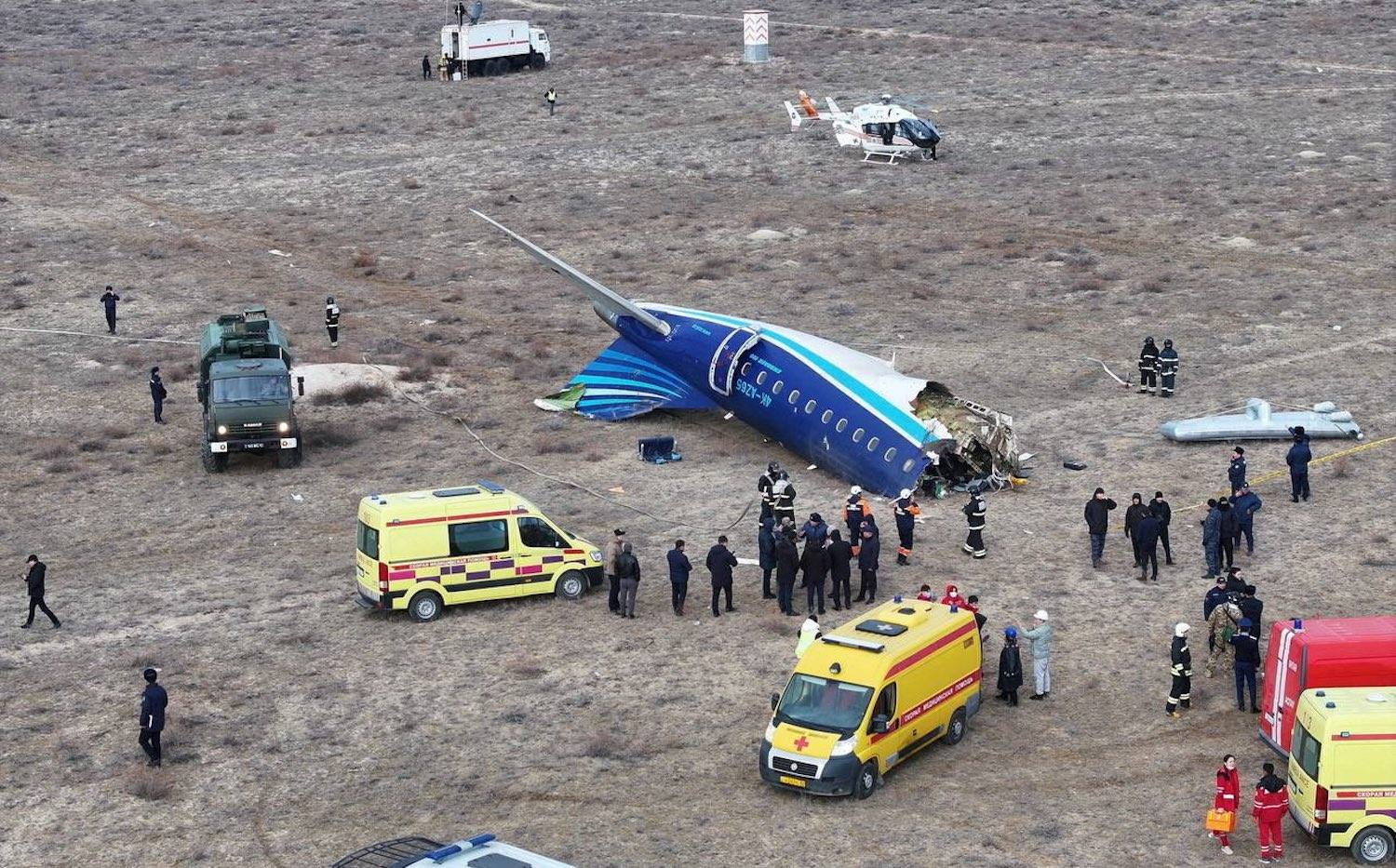
At the very opening of the meeting in Dushanbe, Putin chose to begin with the most sensitive issue. He said he wanted to start the meeting with the aviation tragedy that occurred in Russian skies. Putin mentioned that already in the first telephone call after the disaster, he not only apologized for the tragedy but also expressed his sincere condolences to the victims' families. Now, he emphasized, he wants to reiterate this and add that Russia provided all possible assistance to the investigation.
The Russian president detailed what he claimed were the circumstances of the disaster, noting that the investigation is nearing completion and it is now possible to discuss the causes of the tragedy in general terms. According to him, the first reason for the incident is that Ukrainian unmanned aerial vehicles were in the sky at that time. Putin claimed that Russia was tracking three such drones that crossed the Russian border on the night of the tragedy. The second reason, he said, lies in technical failures in the Russian air defense system itself.
In unprecedented detail, Putin continued and explained that the two missiles fired did not hit the plane directly, since if that had occurred, the plane would have crashed on the spot. The missiles exploded, perhaps self-destructed, several meters from the plane, perhaps ten meters from it. As a result, the plane was damaged, but not primarily from the warheads but apparently from fragments of the missiles themselves. This is the reason, Putin explained, that the pilot perceived it as a collision with a flock of birds, which he reported to Russian air traffic controllers, and all of this was recorded in what are called black boxes.
The Russian president continued and noted that the pilot received advice, which is clearly heard in the black box recordings, to land in Makhachkala, but he chose to return to his home airport and then to Kazakhstan. Despite all these explanations, Putin emphasized, the fact remains. He detailed that all the reasons for the tragedy are included in documents prepared after thorough analysis of the technical characteristics of what happened, and second-by-second verification of the black box results.
At the most crucial point of his remarks, the Russian president declared that everything required in such tragic cases will be done by the Russian side in terms of compensation, and the actions of all officials will be examined legally. This is an unambiguous public declaration that Russia will pay compensation to the families of those affected by the crash, exactly as the Azerbaijani president had demanded for nearly a year, and had been met with absolute refusal from Moscow until recently.
President Aliyev responded to Putin's words with a statement that included both gratitude and emphasis on the importance he attaches to Putin's handling of the matter. He first expressed his thanks for the meeting, mentioning that they had a brief conversation in Beijing and just two days ago he called Putin on his birthday. He took the opportunity to congratulate Putin again and wish him, his family, and the Russian people all the best.
Aliyev expressed special thanks for the detailed information he received regarding the tragedy of last December. He mentioned that they were in contact immediately after the disaster. On that tragic day, when he was flying to a meeting in St. Petersburg and learned of the incident, he called Putin directly from the plane and they expressed their condolences. The Azerbaijani president thanked Putin for his personal oversight of the situation, noting that since they exchanged views repeatedly and their team members are in constant contact, Putin personally supervised the investigation. According to him, Azerbaijan had no doubt that the investigation would resolve everything objectively, and therefore he wanted to express his gratitude again for Putin seeing fit to address this issue at their meeting.
This diplomatic development represents a significant turning point in relations between the two countries, which have been under extreme tension since the disaster. The fact that not many world leaders are able to make Putin publicly apologize and agree to pay compensation, and President Aliyev managed to achieve this. The development points to Azerbaijan's rising regional status, with Turkish support, and to the complex situation in which Russia finds itself in the shadow of the war in Ukraine and its implications for its regional standing in the Caucasus and Central Asia.
The very holding of the meeting in Dushanbe signaled that there are positive developments between the countries, after nearly a year of Azerbaijani anger toward Russia. The acute crisis in the countries' relations since the Russians shot down the Azerbaijani passenger plane with anti-aircraft fire last December created significant diplomatic tension. Now, it appears the sides have found a way to move forward, with Russian acknowledgment of responsibility and commitment to financial compensation.
The meeting demonstrates the geopolitical complexity of the region and the delicate balances between regional powers. Russia, which continues to fight in Ukraine and faces economic and political consequences, is forced to maintain relations with neighboring countries and potential allies in the region. Azerbaijan, for its part, is leveraging its growing status in the region, with Turkish support, to demand full Russian responsibility for the tragic disaster.
The compensation that Russia commits to pay, together with Putin's public apology, constitute a formal end to the diplomatic crisis, but the question is whether they will be sufficient to fully restore relations between the two countries. The families of the 38 killed will receive financial compensation, but the trauma and pain left by the tragedy will not disappear quickly. Diplomatically, the development allows both sides to move forward and renew cooperation, while maintaining dignity and acknowledging Russian responsibility for the incident.
Photo: ria