



Dim Amor
Israel and Hamas signed a historic prisoner exchange deal last night according to a framework promoted by US President Donald Trump, under which 20 living hostages are expected to return home in the coming days – but the price Israel will pay includes withdrawal from extensive territories in the Gaza Strip and the release of nearly 2,000 Palestinian prisoners. The deal, which will be brought to the government for approval today, opens a new chapter in Israel's longest war in Gaza, but leaves open questions about the future of the Strip and Hamas's status.
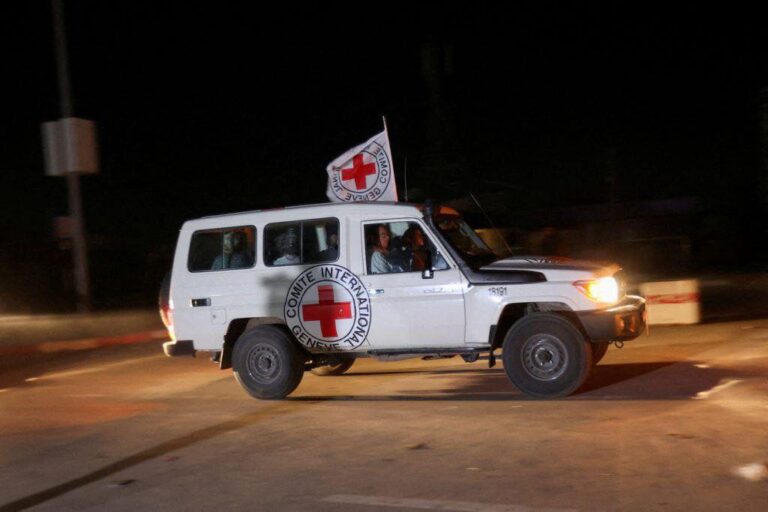
According to the established timeline, the official signing of the historic agreement is expected at 12:00 PM. At 5:00 PM, the political-security cabinet will convene for discussion and a vote on approving the deal, and an hour later an expanded government session will be held in which all 38 government ministers will be required to express their position. After completing all approvals, the release of the living hostages will begin within 72 hours – meaning as early as this coming weekend or at the latest next Monday. Security circles estimate that the first wave of hostage releases may occur on Saturday or Sunday, depending on the progress of logistical preparations on the ground.
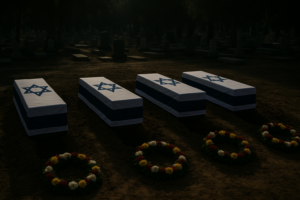
The first phase of the deal focuses on releasing the living hostages. Israel will receive the 20 citizens remaining in Hamas captivity, according to intelligence information indicating they are still alive. The second phase will focus on returning bodies: 28 Israeli fallen are expected to return to Israel under coordinated return arrangements, while nine others are defined as "whereabouts unknown". The IDF and security establishment estimate that the return of bodies will be carried out in waves, according to the progress of negotiations and the precise location of the bodies on the ground. Each body will need to undergo identification and verification processes before final return to families.
From a security perspective, Israel succeeded in achieving a significant accomplishment by denying Hamas's demand to release four key senior figures in the organization – Marwan Barghouti, Ahmad Sa'adat, Hassan Salama, and Abbas al-Sayed. These four, defined as Hamas's "aces", are considered by Israel as leaders with the potential to organize significant terrorist activity. In addition, it was clearly agreed that Nukhba fighters who directly participated in the invasion of Israel on October 7 will not be included under any circumstances in the framework of the deal. Sources in the political establishment point out that one of Israel's main strategic gains lies in the Arab-Muslim pressure applied to Hamas in recent months, which may provide significant international guarantees for implementing the agreement, and in the long term even pave the way for removing the organization from power and fully disarming it.
However, the deal also includes significant concessions on Israel's part. In the security aspect, the state will remain in control of only about 53 percent of the Gaza Strip territory after completing the hostage release – a figure meaning withdrawal from nearly half the area it captured during months of fighting. This is a partial withdrawal from the front line Israel insisted on in recent weeks, and it raises concerns among security officials regarding the ability to control and oversee territory that will remain in the hands of Palestinian entities. On the humanitarian-state level, Israel will be required to release approximately 1,950 Palestinians as part of the deal: including 250 life-sentence prisoners serving lengthy prison terms, and 1,700 detainees captured since October 7, including women and minors. These numbers reflect one of the largest prisoner exchanges in the history of the Israeli-Palestinian conflict.
Additionally, a ratio of one Israeli fallen in exchange for 15 bodies of Palestinians to be returned to their families was agreed upon. This arrangement, perceived as sensitive from a moral standpoint, is part of the price Israel was required to pay to return the bodies of the fallen for burial in Israel. Political sources estimated that the move is intended to create positive momentum toward the next phase of the plan, in which Israel will be required to decide whether to allow Palestinian civilian mechanisms, connected to the Palestinian Authority, to take part in governance in Gaza, at least in administrative aspects such as education, health, and public services.
The political establishment estimates that once the living hostages are returned, a wave of intense emotions of joy, relief, and tears of national relief is expected – but simultaneously also the opening of a new and complex political and governmental battle. In Jerusalem, they already identify the struggle expected to focus on three central issues: the scope of the final withdrawal from Gaza, the identity of the Palestinian entity that will rule the Strip after Hamas, and the precise manner in which Hamas will be disarmed of its weapons and military capability. This debate could deepen the internal rifts in Israel between the right advocating for ongoing security control and the left-center interested in a political arrangement, and even create tensions between Prime Minister Benjamin Netanyahu and President Trump, who led the framework and seeks to see it as a foundation for a broader political arrangement in the region.
As long as the ceasefire has not officially entered into force, the IDF maintains high alert and continues to operate on the ground in the Gaza Strip. Significant military forces remain in their positions, weapons systems continue to function, and the General Staff monitors every suspicious movement of Hamas forces. But the security establishment is already preparing for the moment when the signal will be given – not only for the release of the hostages and their return home, but also for opening a new and unpredictable chapter in Israel's longest war in Gaza, a chapter that may reshape the face of the region for years to come.
Photo: Reuters