



Dim Amor
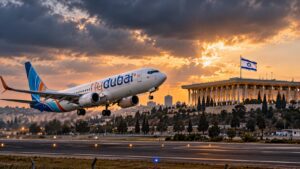
Belavia is no longer merely a foreign airline returning to Israel’s skies after a technical hiatus. The resumption of the Minsk – Tel Aviv route once again raises weighty questions of safety, air sovereignty, moral responsibility, and the indirect financing of an active war. This is a government company wholly owned by the State of Belarus – a regime under severe international sanctions and a central ally of Russia since the outbreak of the war against Ukraine. Every ticket purchased, every dollar funneled into Belavia’s coffers, does not end at the check-in counter; it enters – directly or indirectly – a state apparatus operating in close coordination with the Kremlin.
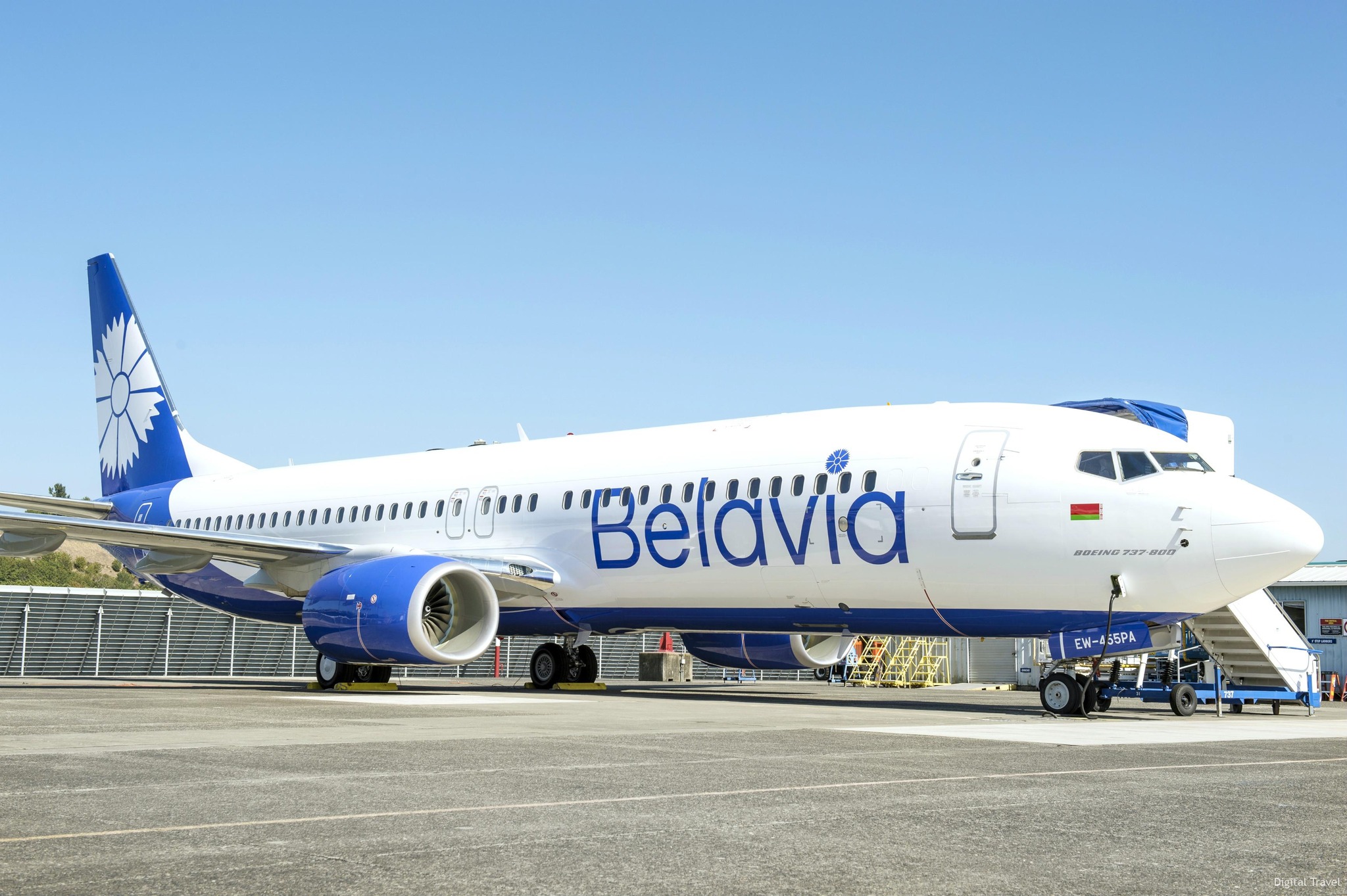
Belavia operates under the full control of the Belarusian authorities. It is not an independent corporation, but an aviation arm of a state that provides Russia with logistical, territorial, and economic backing. Belarus enables the use of its territory for the deployment of forces, transfers equipment, participates in the production of components for drones and military systems, and maintains factories that in practice serve the Russian war effort.
Added to this is deep economic dependence: Belarus owes Russia a substantial share of its external public debt, estimated at roughly $8.3 billion. Servicing this debt generates a steady flow of funds from the Belarusian state toward Moscow, even if it is not formally defined as a direct military payment. In such a reality, it is difficult to separate the ostensibly civilian activity of an airline from the state and military system within which it operates.
The claim that these are "regular" flights ignores the grave precedent Belarus itself created. In May 2021, the Minsk regime forced a Ryanair civilian aircraft to land under coercion, using a false security threat, in order to arrest a political passenger. The incident shocked the aviation world and was defined as an act of aerial hijacking in every sense. In its wake, Europe’s skies were closed to Belavia, and the airline was barred from operating at numerous airports. Beyond that, Belarus previously detained a person who merely transited over its airspace – without landing in the country and without flying on Belavia, an extreme precedent that reflects profound contempt for international aviation norms.
In this context, the assertion that Belavia flights are safe raises serious questions. Belarus and Russia maintain security and aviation agreements that enable full cooperation in shared airspace. The concern is that when flying with a Belarusian state airline, state considerations may override civilian ones. Forced landings, flight disruptions, or political interference are not merely theoretical scenarios; they are possibilities grounded in proven past experience.
Belavia’s suspension of operations in Israel in 2022 was not a whim or an isolated malfunction. It was the direct result of an international collapse in the airline’s standing. The European Union, the United Kingdom, and other countries closed their skies and airports to Belavia and imposed harsh aviation sanctions. In parallel, U.S. restrictions severely damaged its operational capacity. Belavia’s fleet included Boeing aircraft and systems subject to U.S. regulation, and the airline struggled to obtain spare parts, maintenance, and technical approvals. Without valid aviation insurance and without access to international supply chains, operating international flights became impossible.
In May 2022, direct flights to Israel were canceled. According to reports at the time, Israeli authorities refused to allow ground handling services for the airline’s aircraft at Ben Gurion Airport, among other reasons due to regulatory, insurance, and safety considerations linked to sanctions and Belavia’s problematic international status. Without refueling, maintenance, and ground services, the route collapsed.
What has changed now?
During 2025, reports pointed to certain relaxations in U.S. sanctions, including the removal of Belavia from some restrictive lists. These steps enabled a partial renewal of access to spare parts and maintenance services and improved the airworthiness of the fleet. At the same time, the global aviation industry recovered from the shocks of the pandemic and war, and many carriers gradually returned to routes that had been frozen. In Israel, the regulatory stance was re-examined, and subject to updated approvals, ground services at Ben Gurion were reinstated.
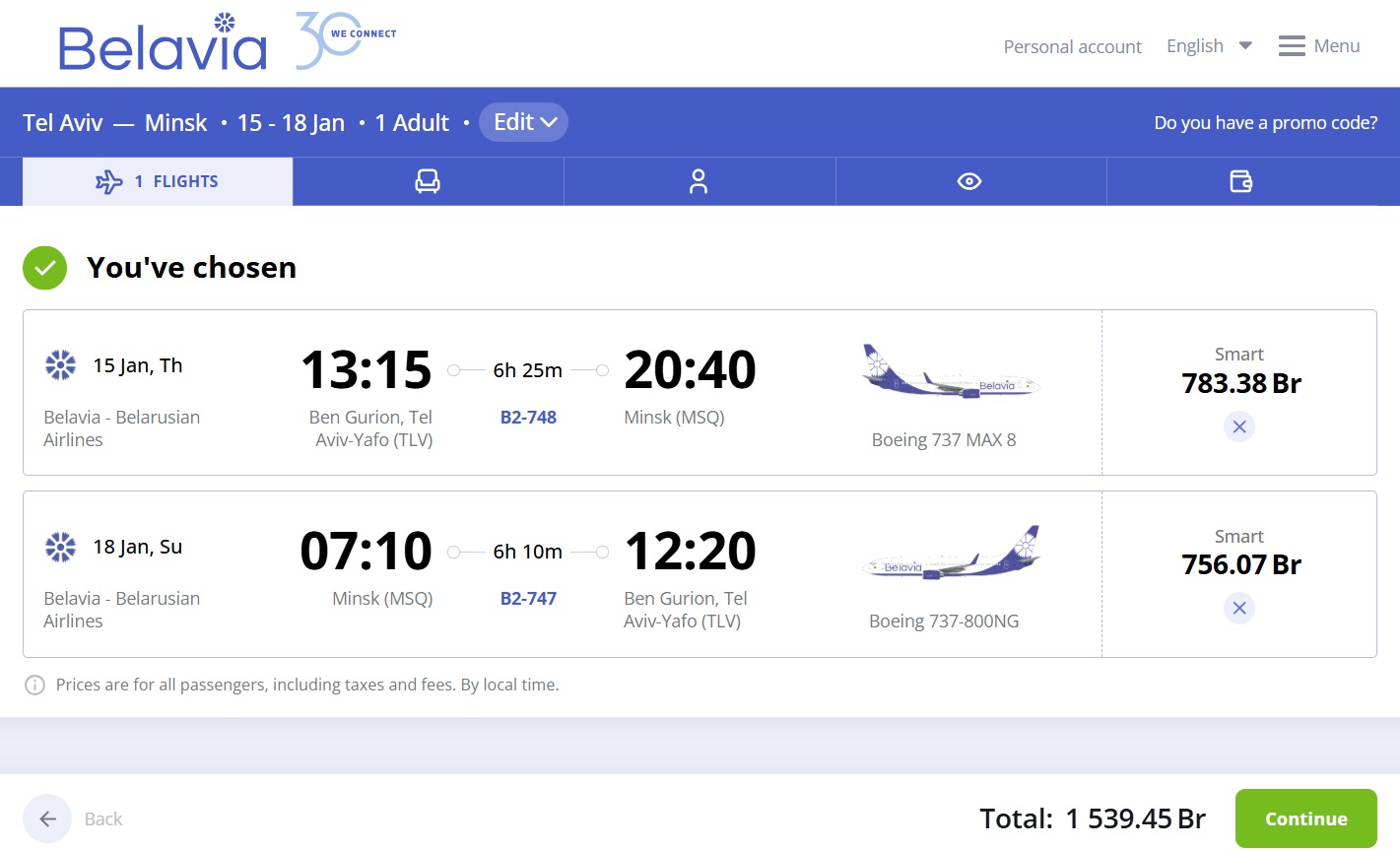
In early January 2026, Belavia announced the renewal of the Minsk-Tel Aviv route, initially with only two weekly flights. The price of a ticket from Tel Aviv to Minsk stands at approximately $284.70, or about 1,539.45 Belarusian rubles. Behind that price lies a question that does not appear on the departures board: where exactly does the money go, and what does it mean in the reality of an active war.
Belavia’s return is not a neutral aviation move. It brings back to Israel’s skies a state-owned company of a sanctioned country identified with one of the bloodiest and harshest conflicts in Europe in recent decades. For critics, this constitutes a quiet normalization of economic activity with a regime involved in war, even if indirectly. For others, it is simply another flight option. Between these positions hovers a single route from Minsk to Tel Aviv – one that carries not only passengers, but also a heavy political, moral, and security burden that is difficult to ignore.
Votes, Declarations, and a Clear Line: Belarus Sides with Palestine
Between 2022 and 2025, Belarus pursued a consistent and clear diplomatic line in the international arena, including declared support for the establishment of a Palestinian state and the strengthening of Palestine’s political standing in international institutions. This was a period in which the Belarusian position became more publicly pronounced, both in official statements and in practical diplomatic conduct.

In 2022, Belarus continued voting in favor of a series of UN and other international resolutions dealing with Palestinian rights, condemning military actions in the Palestinian territories, and underscoring the need for a comprehensive political solution. Minsk representatives repeatedly clarified that, in their view, resolving the conflict requires full recognition of Palestinian rights and the establishment of an independent state in accordance with the principles of international law.
In 2023, the wording of official statements sharpened further. Figures in the Belarusian Foreign Ministry emphasized in international forums that Belarus supports a sovereign Palestinian state and voiced explicit reservations about Israel’s policies in the territories. At the same time, direct diplomatic activity between Minsk and Palestinian Authority representatives continued, maintaining official and active channels of contact.
Security developments in the Middle East in 2024 prompted even harsher statements from Belarus. Senior officials called for an immediate ceasefire, expressed support for Palestinian positions in the international arena, and underscored their opposition to the use of military force. Belarus framed its stance as part of a broader struggle against unilateral policy and against what it defines as violations of international law.
In 2025, these messages were reiterated at the presidential level. Belarusian President Alexander Lukashenko declared his country’s desire to deepen cooperation with Palestine in political and humanitarian spheres, and stressed that Belarus would continue supporting initiatives aimed at strengthening Palestine’s standing internationally, including at the UN.
In parallel, Belarusian state media adopted a sharply critical line toward Israel, at times using aggressive language, though not every such publication can be attributed directly to an official government statement. Nevertheless, the regime’s political line remained consistent and clear throughout the period.
In sum, in 2022–2025 Belarus acted systematically to strengthen its pro-Palestinian position in the international arena through declarations, votes, and sustained diplomatic activity, without deviation from the political line it has set in recent years.
Belarus Refuses to Condemn Hamas Since October 7
While Israel relies on its ironclad alliance with the United States and underscores its right to self-defense, Minsk accuses Washington of encouraging Israel to use force and continues to avoid defining Hamas as a terrorist organization.
Since Hamas’s terrorist attack on October 7, Belarus has avoided condemning the organization for the murder of Israeli civilians and has not designated it as a terrorist entity. At the same time, Minsk maintained a policy line coordinated with Moscow, within which public criticism was directed at Israel’s military response in the Gaza Strip.
Belarusian media published materials during this period with propagandistic characteristics that at times reflected identification with the Palestinian side or criticism of Israel. However, such publications, in and of themselves, do not prove the existence of official state support for Hamas.
In June 2024, an official Belarusian representative stated that his country advocates political dialogue and adherence to the decisions of the international community, and emphasized the need to end the suffering of civilians in Gaza. His remarks included direct criticism of Israel’s policies and military actions, alongside assigning responsibility to the United States, considered Israel’s principal ally.
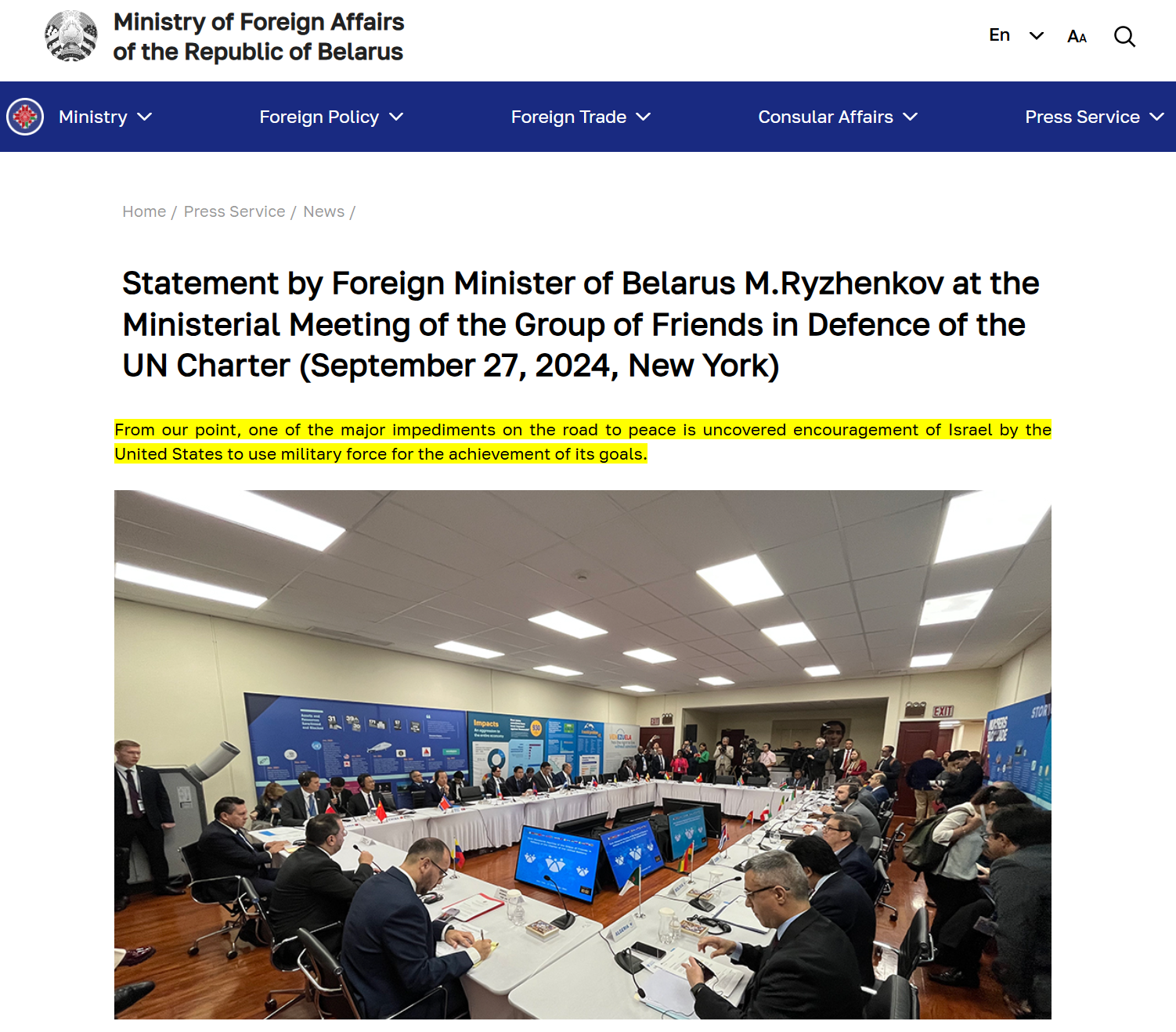
In his words:
"From our point of view, one of the major impediments on the road to peace is the uncovered encouragement of Israel by the United States to use military force for the achievement of its goals".
Belarus, Hamas, and Belavia: A Policy Without Terror Designation
Belarus does not define Hamas as a terrorist organization, unlike Israel, the United States, the European Union, and other Western states. Consistent with this policy, Minsk maintains a diplomatic line aligned with the general Palestinian position, accompanied by harsh and ongoing criticism of Israel. This is a declared political stance, not an official statement of direct support for Hamas, yet its practical implications are broad.
Under Belarusian domestic law, Hamas is not included in the country’s list of recognized terrorist organizations. Belarus is not bound by EU or U.S. terror lists and operates an independent designation mechanism; within that framework, Hamas does not appear. The absence of a legal designation enables a more permissive posture toward the organization, including indirect political contacts and the lack of legal barriers to the activity or presence of Hamas-affiliated figures, so long as they do not violate other local laws.
In this context, it should be noted that Belavia, Belarus’s national airline, is wholly state-owned. Because it is a civilian company, and because Belarus does not view Hamas as a terrorist organization, there is no inherent obstacle to Hamas members flying on civilian flights, subject to holding valid passports and the required entry visas for destination countries. This situation is not unique to Belavia and is relevant to other airlines operating from states that do not define Hamas as a terrorist organization.
This policy integrates into Belarus’s regional and international relationships. Minsk maintains close ties with Russia and Iran – both widely recognized as supporting organizations such as Hezbollah and Hamas. These relationships reinforce Belarus’s place within a political axis opposed to Western positions regarding Israel and Palestinian militant organizations.
Factually, three key points can be established: Belarus does not designate Hamas as a terrorist organization; Belarus supports the Palestinian position and condemns Israel in diplomatic arenas; and Belarus maintains political relations with states that support organizations designated as terrorist groups by Israel and Western countries. These data points draw a clear picture of a foreign policy that does not align with the Western consensus and continues to raise questions internationally.
Miri Regev and the Approval of Belavia’s Return to Israel
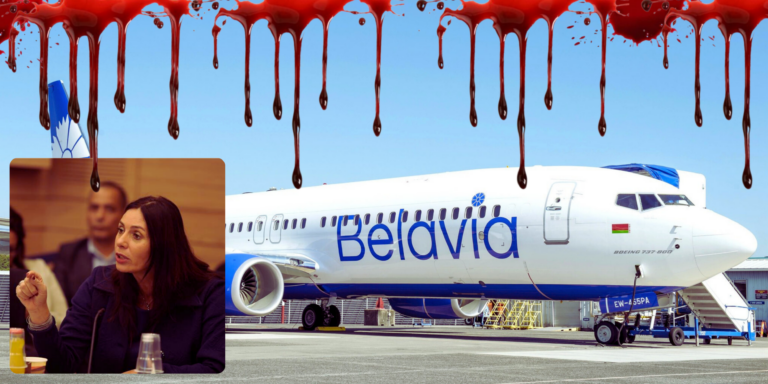
Against this backdrop, the direct responsibility of Transportation Minister Miri Regev cannot remain peripheral; it stands at the heart of the public debate. Since the October 7 attack, in which Israeli civilians were murdered and abducted by Hamas, a firm, consistent, and uncompromising policy is required regarding engagement with regimes and entities that do not define Hamas as a terrorist organization. This is both a moral and security test – not a technical aviation decision.
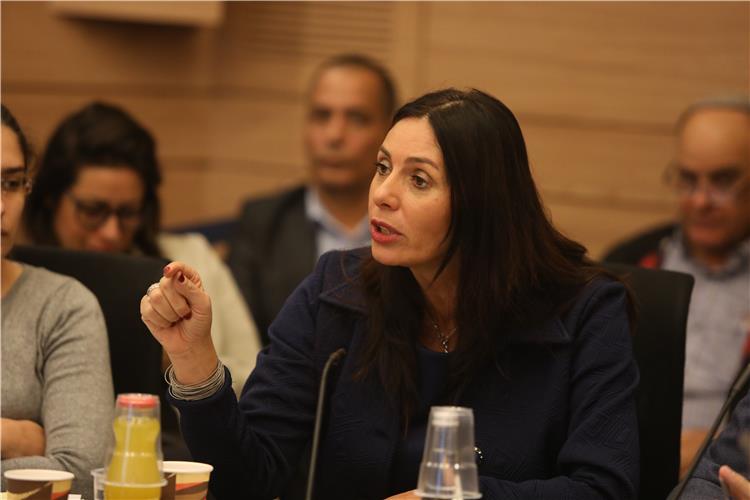
The resumption of a state airline from a country identified with an axis hostile to Israel, and which refuses to recognize Hamas as a terrorist organization, raises fundamental questions about decision-making considerations within the Ministry of Transport. Were the political and symbolic ramifications weighed? Was public sensitivity after the national trauma of October 7 taken into account? Or were values, security, and the memory of the victims pushed aside in favor of aviation normalization that does not match Israel’s current security and diplomatic reality?
Belarus Recognizes a Palestinian State and Presents Jerusalem as Its Capital
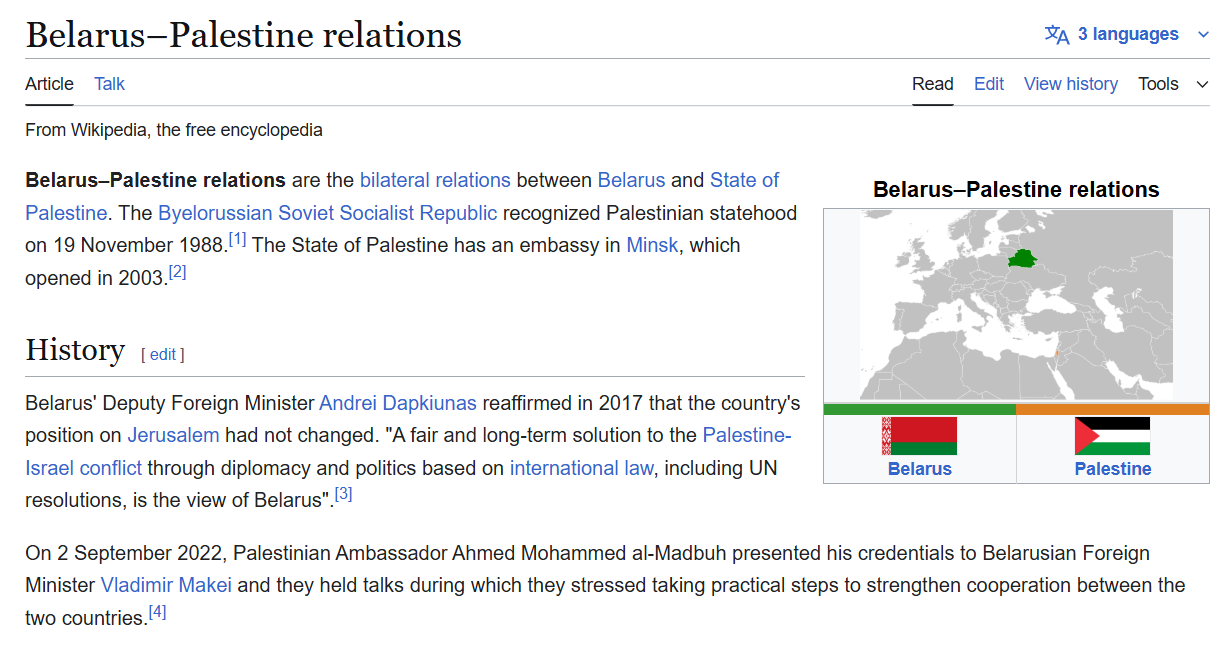
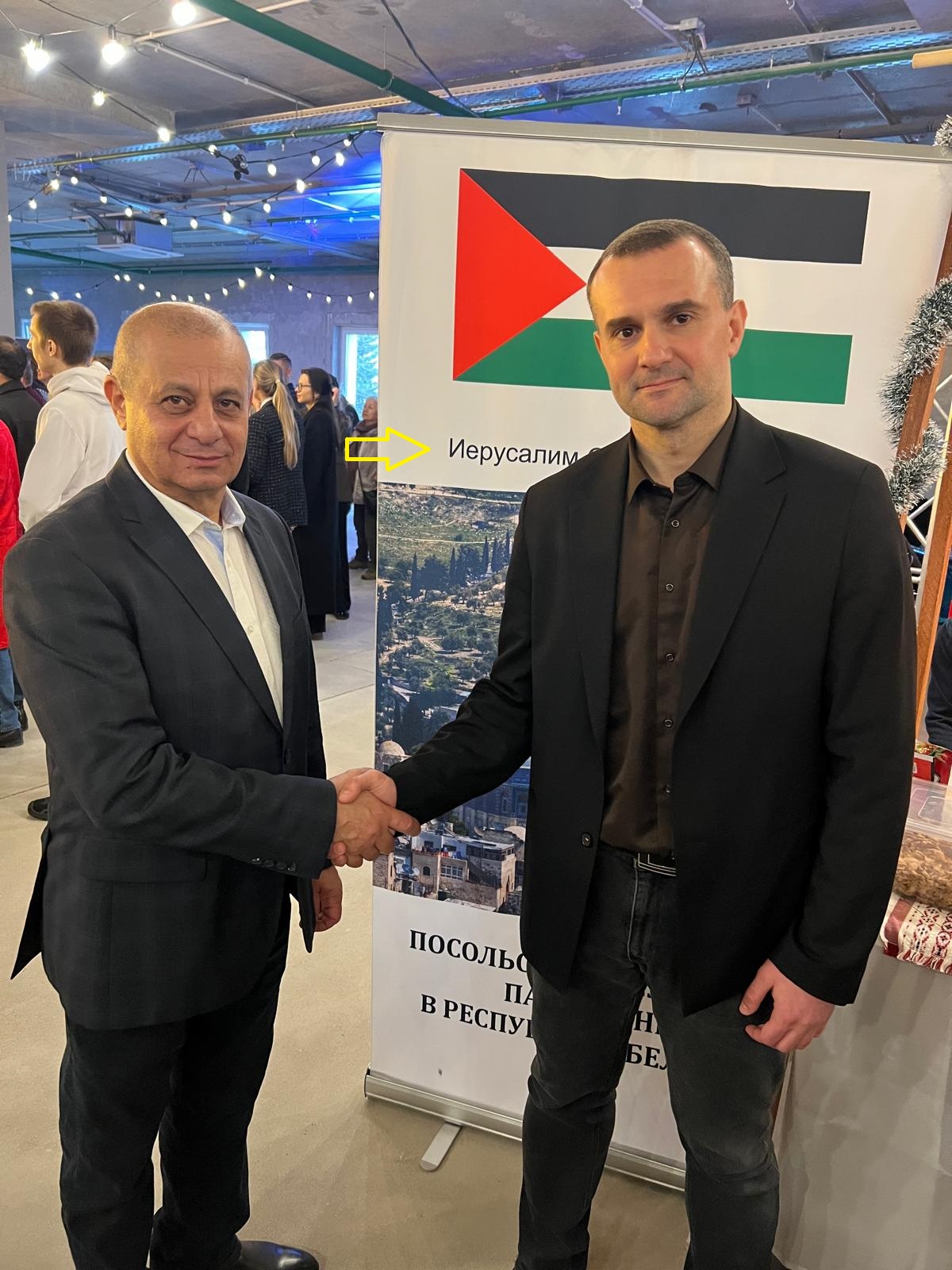
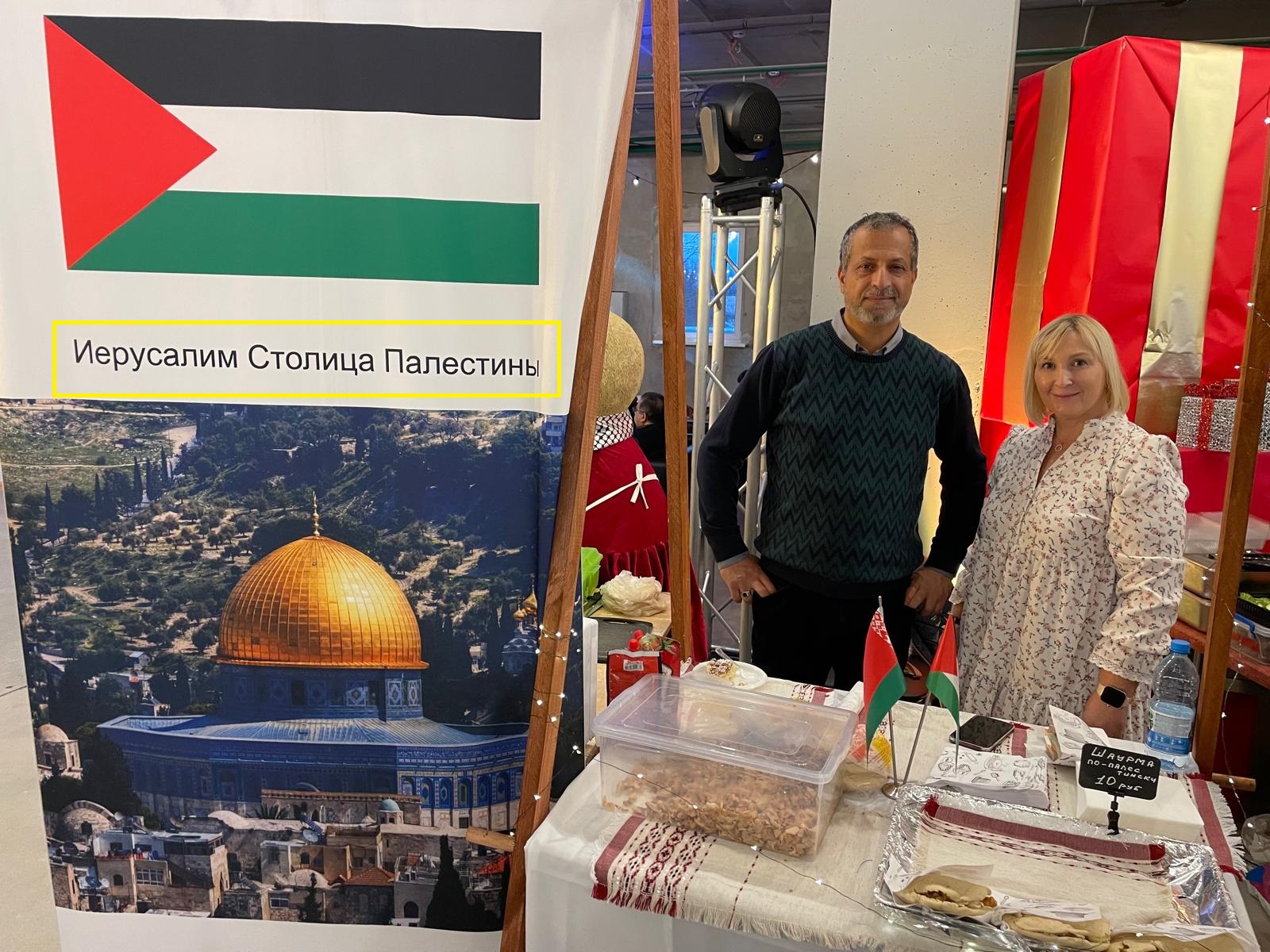
Belarus unilaterally declared recognition of a Palestinian state – an entity that does not exist in practice as a sovereign state. In parallel, an official Palestinian embassy opened in Minsk. Visual documentation published from the site indicates that the Palestinian side presents Jerusalem as its capital, even though Jerusalem is the capital of the State of Israel. In the photographs, senior representatives of the Belarusian regime are seen posing beside official signage bearing the inscription: "Palestine – the capital: Jerusalem".
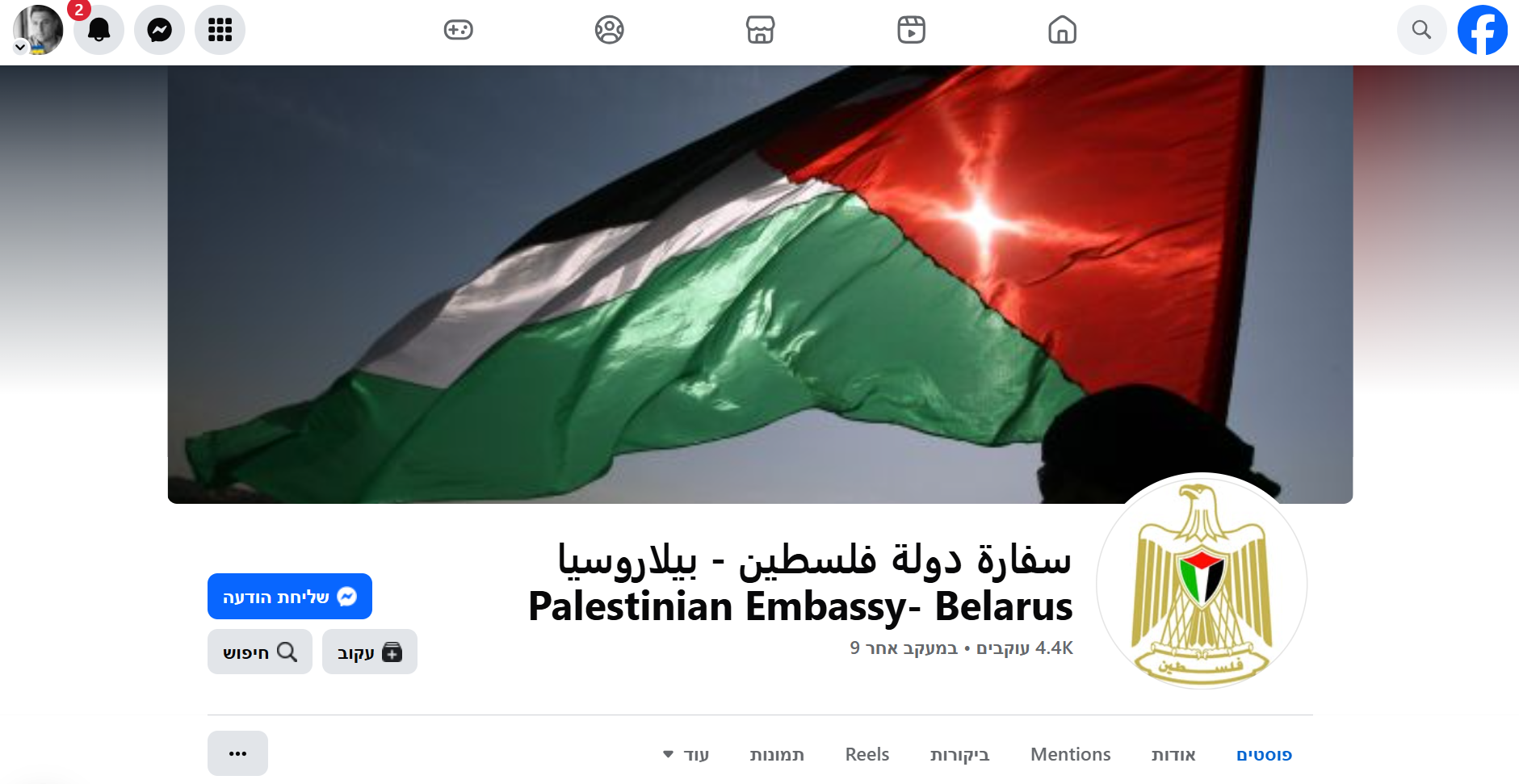
In the photo, Palestine Embassy counsellor Nabil Bourchalli appears alongside senior Belarusian government officials during an official meeting in Minsk. This is perceived as a diplomatic step that constitutes a grave infringement on Israel’s sovereignty and an expression of profound contempt toward the state and the Jewish people.
Belarus’s Foreign Ministry told "Maakav" that Belarus’s national airline, Belavia, has resumed operating the Israel–Belarus route. On January 8, 2026, the first flight since the renewal of operations landed in Israel. According to them, the route was reinstated thanks to cooperation between Belavia, the Belarusian Embassy in Israel, the Belarusian Foreign Ministry, and corresponding professional counterparts in Israel.
This move was made possible through joint work by Belavia, the Belarusian Embassy in Israel, Belarus’s Foreign Ministry, and relevant professional bodies in Israel.
On additional questions raised by the "Maakav" editorial team – including issues relating to Belarus’s support for Hamas, its pro-Palestinian stance, and its involvement in the war against Ukraine – the Belarusian Foreign Ministry chose not to respond.
Inquiries were forwarded to Transportation Minister MK Miri Regev and the Ministry of Transport spokesperson; as of the publication of these lines, no response had been received.
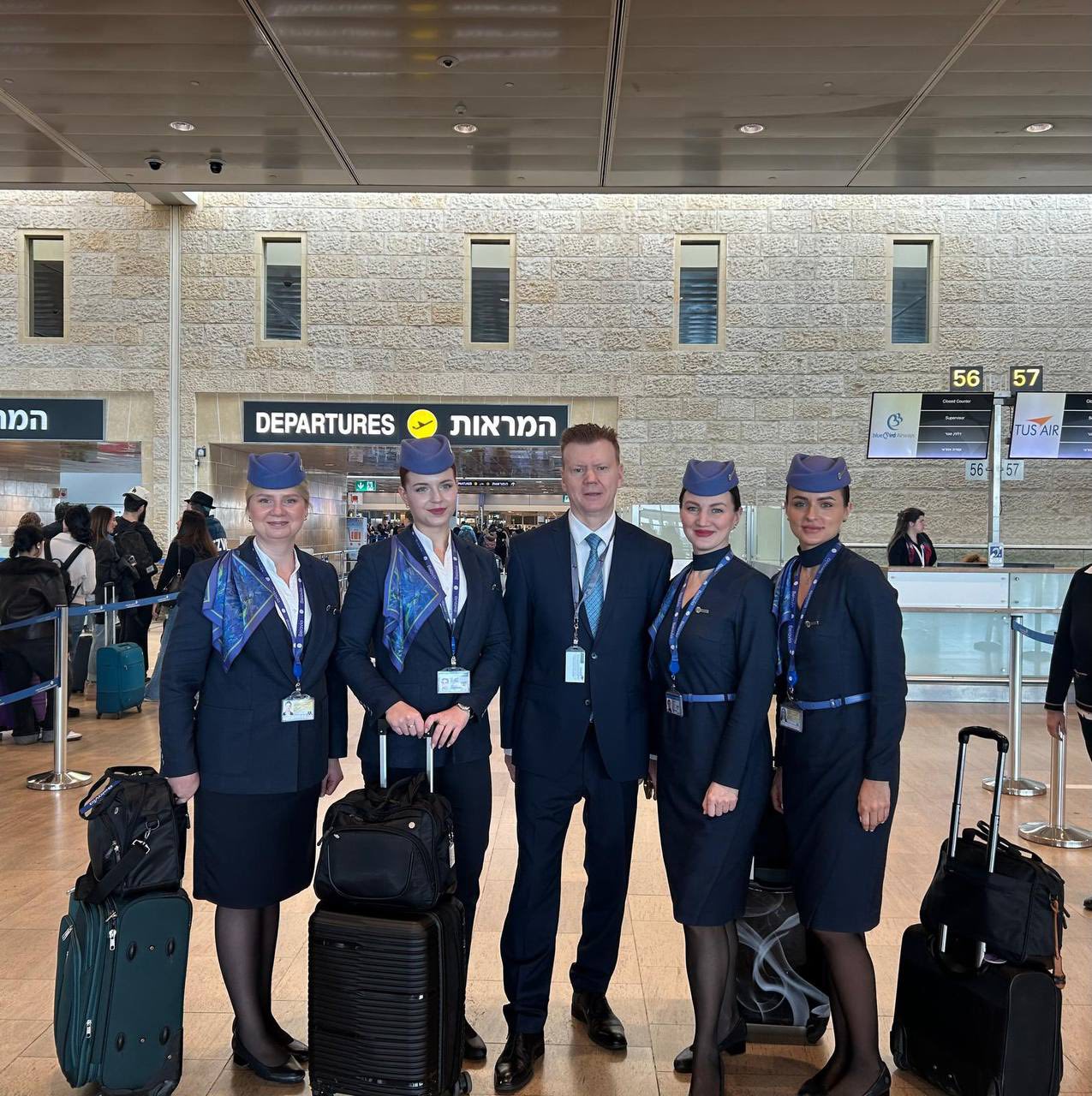
Photo: Belarusian state officials – an authoritarian regime pursuing a pro-Palestinian line, avoiding condemnation of Hamas, and criticizing the State of Israel. Photo: Belavia, Ben Gurion Airport. Use under Section 27A.
P.S.
We "forgave and forgot" – and continue to maintain business ties with a regime that spat in the face of the State of Israel.
Photo: Belavia | Use under Section 27A of the Copyright Law
Photo: Miri Regev, Knesset website | Use under Section 27A of the Copyright Law