




Dim Amor
While world leaders intensified their efforts yesterday to bring an end to the war in Ukraine within the framework of a historic summit held at the White House, Russia continued to demonstrate its true intentions with another wave of attacks directed toward the Poltava region in central Ukraine. The ball is now in Putin's court, as he must decide whether to respond to the international call for direct dialogue with Zelensky – or continue on the path of warfare.
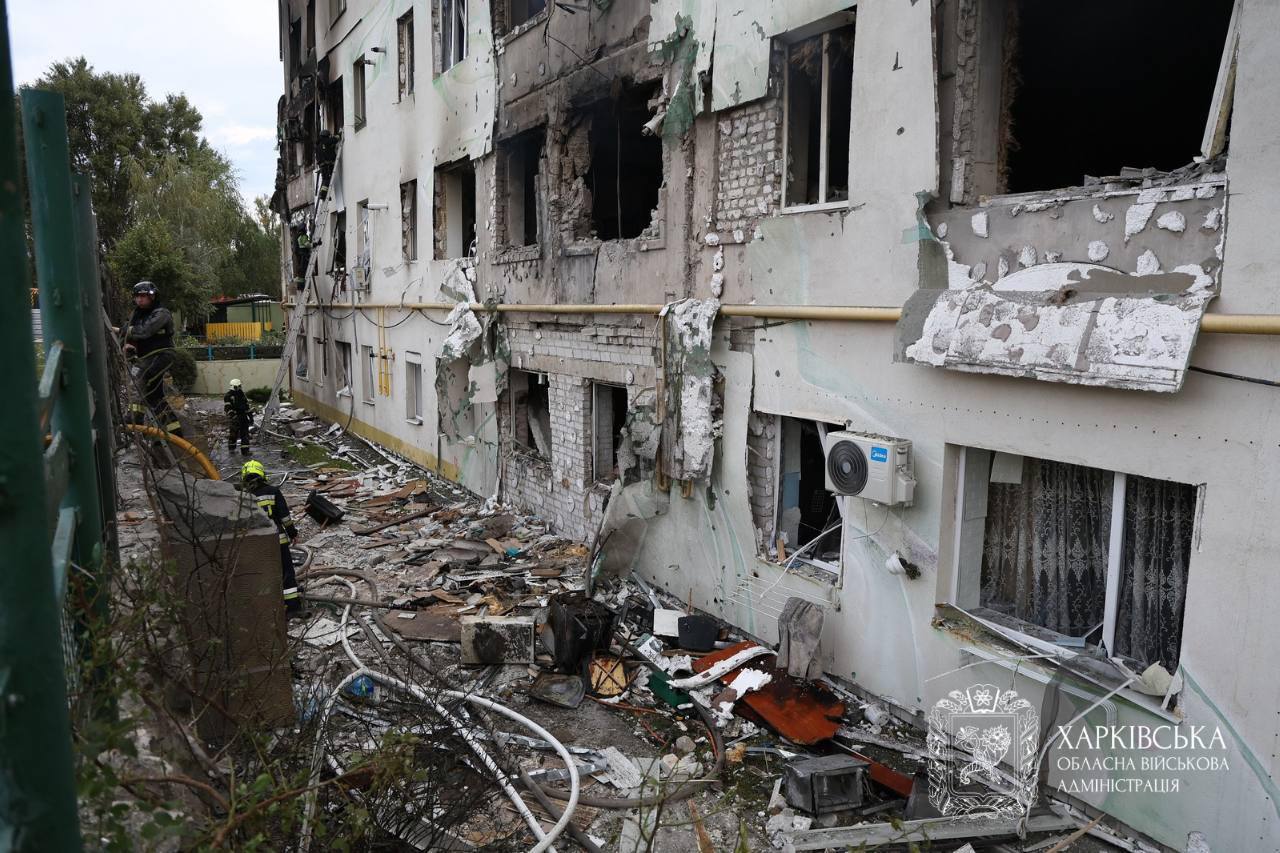
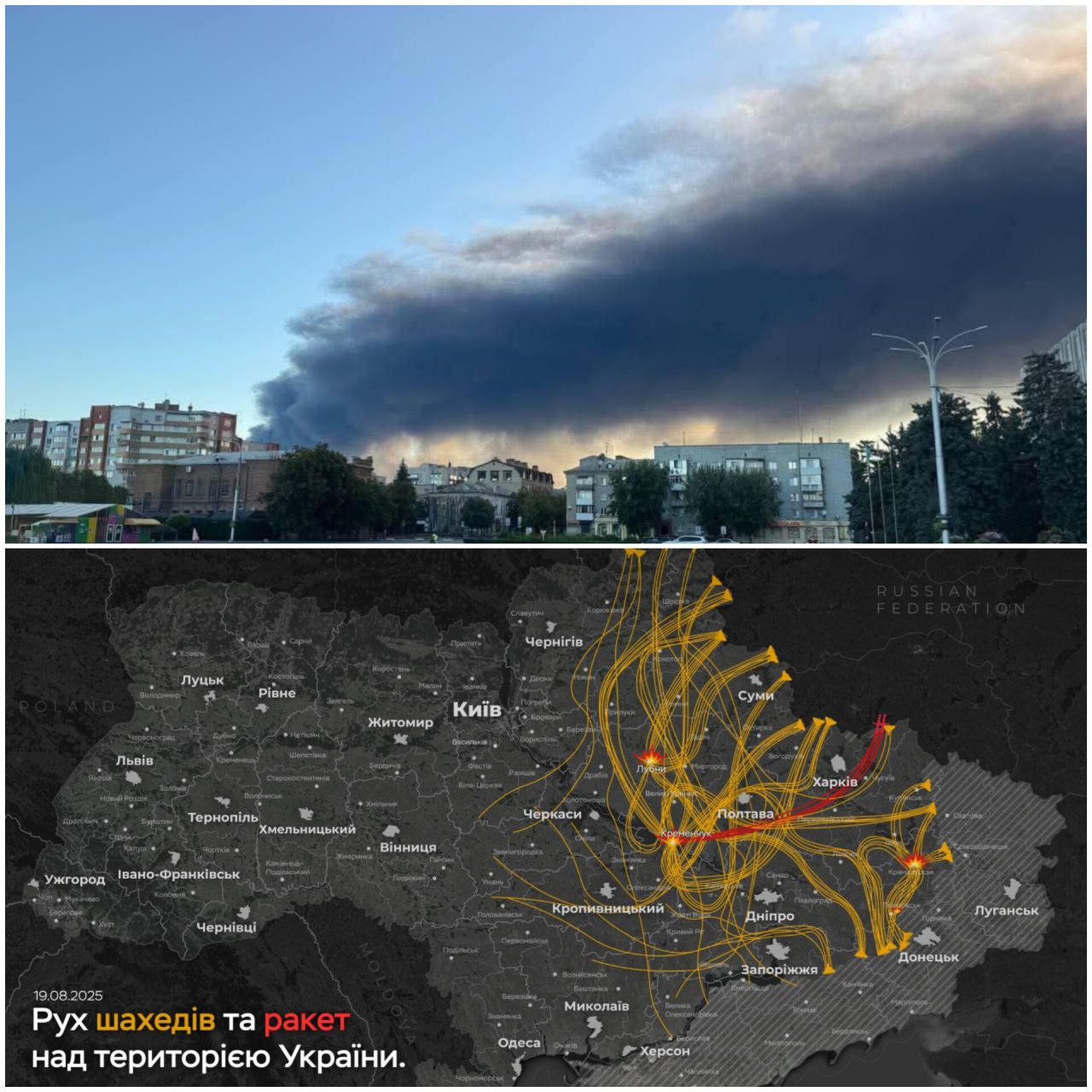
Russia launched approximately 270 drones and ten missiles yesterday toward several Ukrainian targets, with only part of the Russian weaponry reaching its intended targets despite Ukrainian interception efforts. Four missiles and 40 drones struck 16 sites, while interception debris fell on three additional sites. The precise timing of the attack, which occurred parallel to and following the Washington summit, sent a sharp message to all participants: Putin continues to act according to his will, regardless of diplomatic discussions.
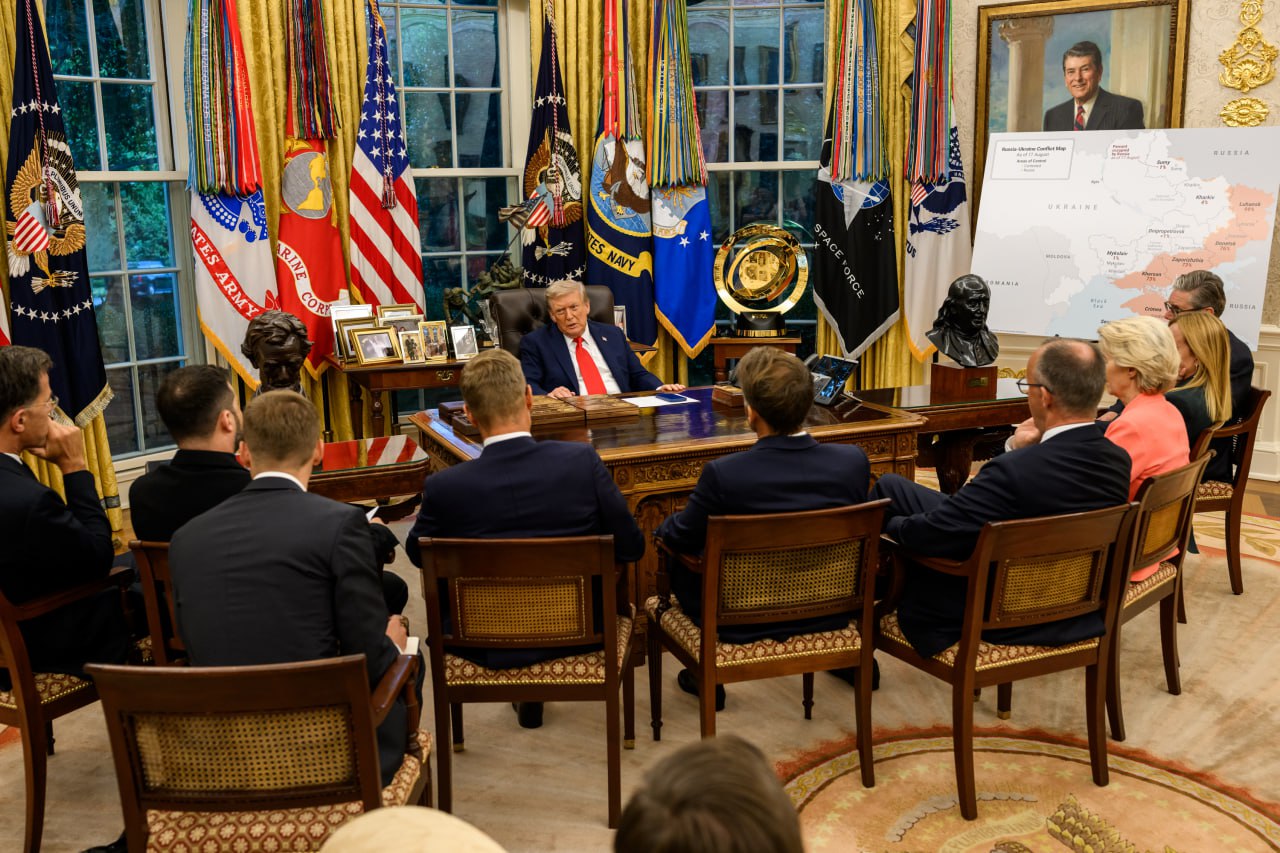
Yesterday's White House summit brought together President Trump, Ukrainian President Zelensky, and seven important European leaders with the goal of seeking ways to end the conflict. The discussions focused primarily on the issue of security guarantees that Ukraine is supposed to receive, including details about the scope of guarantees, how they would function, and the mechanisms required for their implementation.
At one point, Trump left the discussion room and conducted a phone call with Putin, then returned to discuss with Zelensky and the other participants. Shortly after the call ended, the summit concluded, and Trump announced a central development: Putin had agreed to a direct face-to-face meeting with Zelensky, after which another trilateral summit would take place with his participation.
According to Trump, the Putin-Zelensky meeting is supposed to take place within two weeks. Although the American president did not specify an exact location, international reports cite Budapest as a reasonable option for hosting the meeting. So far, the Kremlin has not officially confirmed Putin's agreement to the meeting, and an official Russian statement is still pending.
The announcement of the planned meeting represents a dramatic shift in the Russian position. Putin has done everything possible until now to ignore Zelensky, declared him an illegitimate leader, and categorically refused to consider a direct meeting with him. Zelensky, conversely, has long expressed readiness for such a meeting if circumstances require it, with the aim of seriously discussing an end to the fighting. In recent days, the Ukrainian president said his country is prepared to meet with Russia "in any format" and that territorial issues would be discussed at a bilateral level with Putin.
German Chancellor Merz and British Prime Minister Starmer confirmed the intention to organize a meeting between the warring leaders. Merz added a significant warning: "We don't know if the Russian president will have the courage to participate in such a summit. Therefore, persuasion is needed". Although Putin has previously expressed some readiness for direct talks with the Ukrainians, he has still not unequivocally confirmed a meeting with Zelensky.
Parallel to the diplomatic discussions, the issue of American security guarantees for Ukraine was raised. Zelensky revealed that Kyiv had proposed purchasing American weapons worth $90 billion as part of the security guarantees. "The package includes mainly aircraft and air defense systems. Indeed, there is a package with our proposals worth $90 billion, and we have agreements with the US president that when our exports open up, they will purchase Ukrainian drones. This is important to us", explained the Ukrainian president.
The proposed deal fits into a broader framework of security guarantees designed to ensure Ukraine's security over time. Discussions on the matter are set to continue in the coming days, as Washington and Kyiv examine the details of the plan and study ways to implement it.
Another complex issue that arose in the discussions is the Russian demand for Ukraine to withdraw from Donetsk region in the east of the country. Zelensky is keeping his position close to his chest and has not declared unequivocally what his country's stance is on the matter. The Russian demand is perceived as unacceptable, as it involves a call for the handover of sovereign Ukrainian territory to Moscow without any territorial compensation from Russia's side. This amounts to a kind of "purchase" of Ukrainian territory without payment or exchange, rather than a mutual territorial exchange agreement.
The Ukrainians and Europeans now want to shift the pressure to the Russian side and test Putin's seriousness regarding peace efforts. They are trying to put him to the test and see how committed he is to a genuine move to end the war, or whether this involves additional time-wasting games on his part.
A direct meeting between Putin and Zelensky would undoubtedly be significant progress toward ending the war, even if its results are not clear in advance. The very fact that the leaders would meet face-to-face for the first time since the expansion of the Russian invasion three and a half years ago is of great symbolic and practical importance.
The ball is now in Putin's court. Trump, Zelensky, and the European leaders present at the summit are waiting to see whether the Russian president will pick up the gauntlet and agree to the direct meeting with his Ukrainian counterpart. His response will reflect his true intentions regarding ending the conflict or continuing it.
Meanwhile, the wartime reality continues to dictate the pace of events. The Russian missiles and drones that were fired yesterday at Poltava remind all sides that time works against diplomacy, and that every day of discussions is another day of suffering and casualties. The choice between dialogue and cannons remains in Moscow's hands, and the world awaits its response.
Photo: AP, use permitted in accordance with Section 27A of the Copyright Law