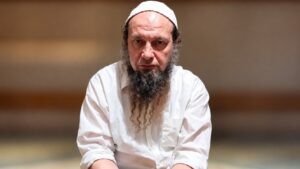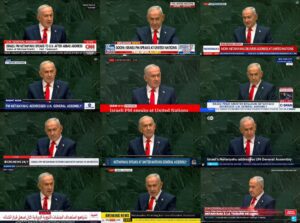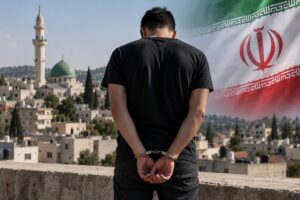

A senior Hamas official stated this morning (Tuesday) that there is a possibility of releasing six living hostages as early as this Saturday, provided that Israel commits to advancing to Phase Two of the deal and meets humanitarian requirements. In a conversation with ynet, the official said, "There are negotiations, and it depends on the price Israel is willing to pay". According to him, the price includes an Israeli commitment to advance to Phase Two, along with full compliance with humanitarian protocol provisions – including the entry of convoys and heavy equipment into Gaza.
Meanwhile, an Israeli diplomatic source reported "positive progress" toward increasing the release pulse. Israel expressed willingness to allow hundreds of convoys into the Gaza Strip, and Arab media reported movement of heavy equipment from Egypt toward the Kerem Shalom crossing.
Cabinet Limits Phase Two Discussions
The Political-Security Cabinet decided to focus on completing Phase One of the hostage deal and did not grant the negotiating delegation a structured framework for Phase Two. In the absence of government agreements regarding the war's end, the delegation received only a limited mandate to discuss the second phase, described by sources as a "quasi-mandate." The Cabinet defined the delegation's mandate as "general", aiming to give Hamas perspective and primarily prevent the collapse of Phase One. Israel is trying to extend this phase by two to three additional weeks or as needed.
Humanitarian Aid Developments
Arab media reported this morning that heavy equipment began moving from Egypt toward the Kerem Shalom crossing and then to the Gaza Strip. The equipment is intended for debris removal and opening transportation routes. The Egyptian channel "Al-Kahera Al-Akhbariya" reported that the equipment, designated for "Gaza reconstruction," will be entered through the Rafah crossing. As of now, Israel has not yet approved the equipment's entry into Gaza.
Current Agreement Terms and Requested Changes
Under the existing agreement, Hamas is supposed to return four deceased hostages to Israel on Thursday and three living hostages on Saturday. Israel is trying to increase the number of living hostages to be released on Saturday to six – all remaining living hostages from Phase One list. If the current release structure remains unchanged, three additional living hostages, including Avera Mengistu and Hisham al-Sayed, held captive for over a decade, will be released next Saturday.
Phase One Timeline and Phase Two Uncertainty
The agreement stipulates that Phase One ends on Day 42, but fighting will not resume while contacts for Phase Two continue. By Day 50, Israel is supposed to withdraw from the Philadelphi Corridor. This timeline raises questions about Hamas's motivation to continue releasing hostages beyond Day 42 of Phase One, and how Israel intends to ensure continued compliance.
Remaining Hostages in Phase One
The fourteen hostages still included in Phase One include:
– Four defined as sick and wounded: Omer Wenkert, Elia Cohen, Tal Shoham, and Omer Shem Tov
– Shiri Bibas and her children Ariel and Kfir
– Shlomo Mansour
– Several people over 50, including Itzik Elgart, Ohad Yahalomi, Tzachi Idan, and Oded Lifshitz
International Involvement
U.S. President's Middle East envoy, Steve Whitkoff, confirmed to Fox News that talks on Phase Two have already begun, despite denials from Israel. He noted that talks will continue this week, with planned discussions ahead regarding the successful completion of Phase Two, although its start remains uncertain. The Prime Minister's Office confirmed this information, and an Israeli delegation departed for Cairo, but without significant authority to negotiate Phase Two terms.
Foreign Affairs and Defense Committee Chairman, MK Yuli Edelstein, confirmed in the committee's discussion the engagement with Phase Two of the deal. "I said then that they were dealing with Phase Two, there was doubt about the credibility of the statements, but then Whitkoff and Rubio arrived and confirmed that my words were correct", said Edelstein.