


Dim Amor
The European Union's latest sanctions package against Russia, including a comprehensive ban on liquefied natural gas (LNG) imports from Russia, has created a significant economic and strategic window of opportunity for Israel. As Europe urgently seeks alternatives to Russian gas, Israel finds itself in a unique position where its natural gas infrastructure and existing export capabilities are transforming it into a potential player on the European energy map.
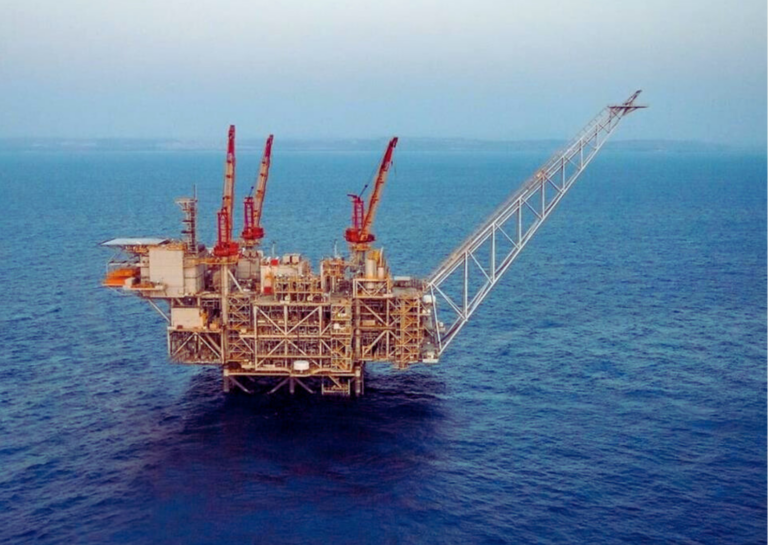
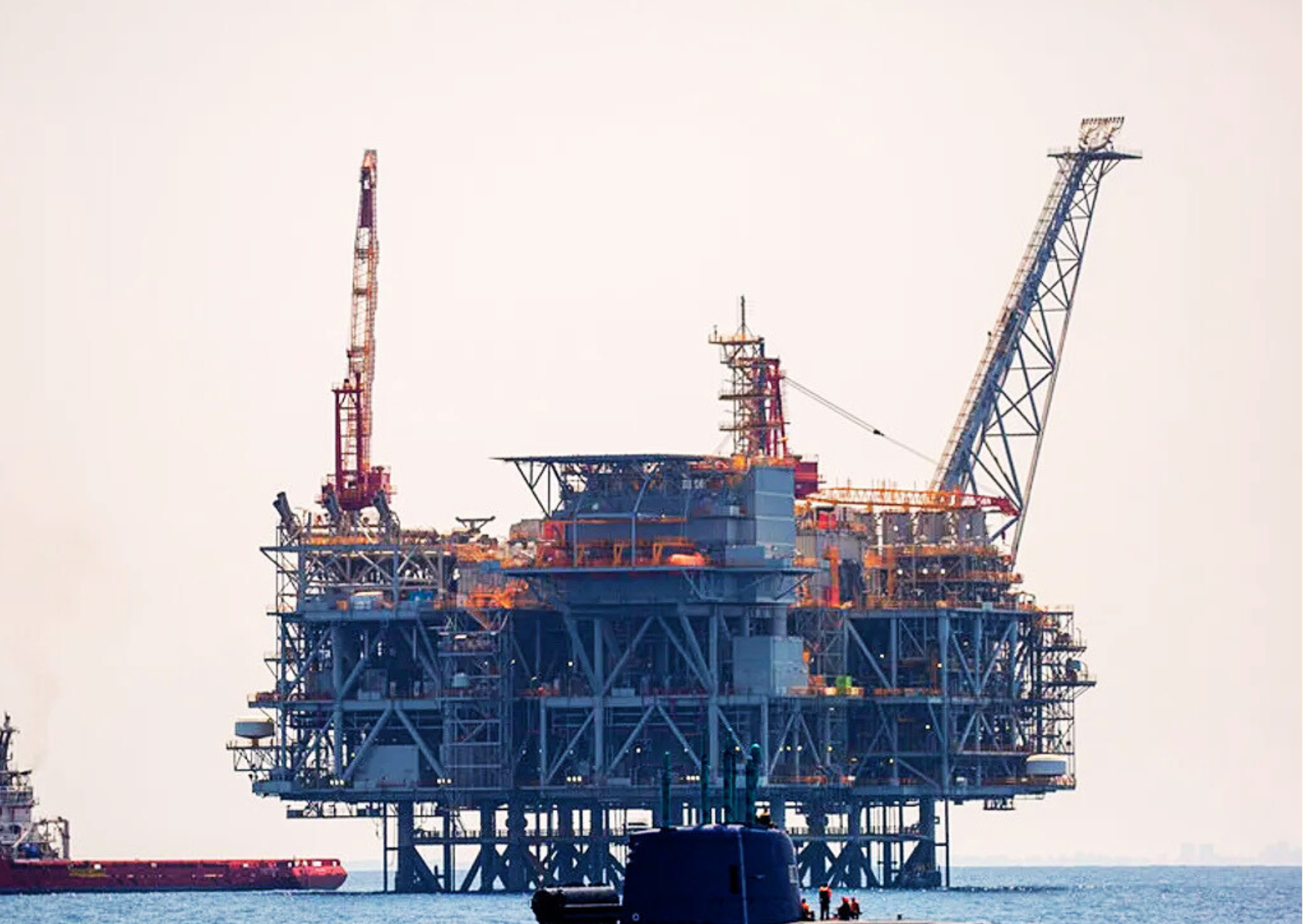
Data from 2024 indicates that Israel is already positioned for takeoff. Israeli natural gas exports to neighboring countries, primarily Egypt and Jordan, increased by approximately 13.4 percent and reached a level of 13.11 billion cubic meters. Simultaneously, total production from the country's main gas fields – Leviathan, Tamar, and Karish – stood at approximately 27.38 billion cubic meters, while domestic consumption totaled approximately 14.27 billion cubic meters. The direct implication of these figures is that nearly half of the gas produced in Israel, about 49 percent, is already earmarked for export today, a fact that transforms Israel into an energy asset with strategic potential for Europe.
European dependence on Russian gas has been a significant weakness in the continent's energy policy for years. The new sanctions, including a ban on LNG imports from Russia, strengthen the European need for alternative and stable energy sources. Israel, with its significant gas reserves and the active export base it has established in recent years, is in an optimal position to increase its share in the European market. A significant agreement signed with Egypt, extending until 2040, stipulates that Israel will export approximately 130 billion cubic meters of gas through a partnership that includes the Leviathan field, a move that positions the country as a long-term supplier in the regional and international market.
The economic aspect of the opportunity is not negligible. Increased exports mean increased profits for gas companies operating in Israel and for the state treasury through taxes, profits, and royalties. According to estimates, the natural gas sector is expected to bring government revenues of approximately 5 billion shekels this year, while in the medium term the figure could reach approximately 10 billion shekels per year. These revenues, coming from an export source, contribute to strengthening the shekel, financing infrastructure and regional development, and constitute a significant economic growth engine for the Israeli economy.
Beyond the direct economic aspect, Israel's positioning as a significant energy supplier to Europe carries strategic and political implications. Israel, which is part of a coalition of countries with shared interests with the West, sees itself as an energy player that can genuinely contribute to Europe's energy security. This status strengthens Israel's political position in the international arena and opens doors to new partnerships with European countries. The fact that sanctions against Russia have strengthened the need for alternative energy options in Europe places Israel in an improved position in diplomatic and economic contexts internationally.
However, realizing the opportunity is not without challenges. The export market requires extensive infrastructure, including LNG facilities, pipelines, cooling stations, and advanced transportation capabilities. Currently, a significant portion of Israeli exports passes through Egypt, a fact that creates dependence on an intermediary country and requires close coordination and stable agreements. Security and environmental considerations constitute an additional factor requiring serious attention. Threats from external factors or regional tensions could affect export capabilities, as demonstrated by temporary shutdowns in Leviathan field operations due to security conflicts.
An additional challenge lies in the delicate balance between increasing exports and maintaining stable supply to the domestic market. Over-development of export capabilities could leave less gas available for growing domestic consumption, something that requires careful planning and a delicate balance between the economic interests of exports and the need to maintain local energy security. Government policy will need to address this dilemma and ensure that the economic opportunity does not come at the expense of the gas needs of Israeli industry and the economy.
The opportunity created following European sanctions against Russia is significant and multidimensional. It combines direct economic potential through increased exports and state revenues, strengthening Israel's strategic position in the international arena, and opening doors to new cooperation with European countries. However, translating the opportunity into practical reality requires investments in infrastructure, development of logistical capabilities, formulation of stable political agreements, and maintaining a prudent balance between exports and domestic consumption.
Israel's natural gas reserves, primarily Leviathan and Tamar, constitute a strategic national asset whose ability to contribute both to the Israeli economy and to Europe's energy security is evident. As Europe continues to reduce its dependence on Russian gas and seeks stable alternative suppliers, demand for Israeli gas is expected to grow.
The question is not whether Israel can be a significant player in the European energy market, but rather how it will manage this opportunity in a way that serves long-term national interests, strengthens the Israeli economy, and establishes its status as a reliable and strategic energy supplier in the international arena.
Additionally, it should be remembered that Greece and Cyprus – both members of the European Union – were until recently dependent on gas supplies from Russia. However, the sanctions imposed on Moscow and the upheaval in European energy markets have led to a new energy map, in which Israel plays a central role. Israel currently exports natural gas to neighboring countries, including Egypt and Jordan, and is establishing its status as a regional energy power.
Accordingly, the Ministry of Energy confirmed that agreements have been signed between Israel, Cyprus, and Greece to promote natural gas exports from the Eastern Mediterranean through the EastMed pipeline project. This is a strategic plan aimed at connecting the region's gas reserves to the European market, with Israel potentially serving as a supplier or central link in the transportation chain. However, as of now, there is no indication of crude oil exports from Israel to Greece or Cyprus.
Photo: AP
This article is based on an opinion grounded in market research, data collection, and thorough documentation conducted as part of an investigative process. The article reflects an in-depth analysis of market trends and their study, alongside the expression of a professional and well-founded position.