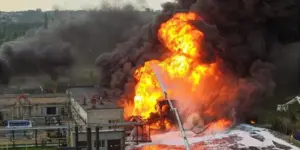


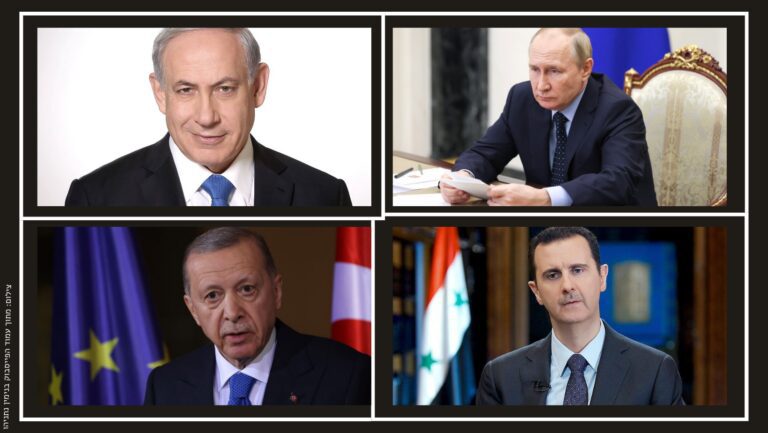
A dramatic picture is emerging in recent days on the Syrian front, indicating a significant shift in the regional balance of power: Russian army forces are withdrawing from key positions in Syria, leaving behind substantial military equipment, while Turkish-backed forces expand their control in the region. This development marks a turning point in Russian involvement in the Middle East and raises fundamental questions about the region's future.
Russian Withdrawal and Its Implications
The Russian withdrawal is characterized by rapid abandonment of positions, leaving behind valuable military equipment including aircraft, tanks, and combat gear. Military sources report Russian soldiers and officers fleeing, with Russian ships observed leaving Syrian shores toward Russia. This situation undermines the myth of Russian military might, previously considered one of the world's strongest armies.
The Turkish Move
Turkey's president, Recep Tayyip Erdogan, recognizes Russia's weakness and exploits it to strengthen his regional position. About a week ago, at a meeting in Kazakhstan, Erdogan presented Putin with a peace proposal to end the war in Ukraine. Putin's rejection of the proposal, accompanied by public contempt, led to an immediate Turkish response in the Syrian arena, with Turkish-backed forces launching an attack on Russian positions.
Implications for Israel
For Israel, Russia's emerging weakness in Syria creates new strategic opportunities. Jerusalem is now considering options for action in Syria, especially in light of continued Hezbollah attacks through Syrian territory. Fear of Russian response, which previously served as a significant deterrent, is dissipating in light of Moscow's apparent weakness.
Regional Implications
These developments also affect NATO, which likewise identifies signs of Russian weakness. This may influence alliance policy in Eastern Europe and the Middle East. Meanwhile, Turkey attempts to exploit the situation to strengthen its position as a regional mediator, trying to gain diplomatic credit at the expense of other international players.
Looking Ahead
The evolving situation in Syria signals a significant change in the regional balance of power. Russia's weakness may lead to further changes in the map of interests and alliances in the Middle East. For Israel, this is an opportunity to reassess its strategy regarding security challenges on the northern front.
Recent developments emphasize the dynamics of regional politics and the need to reassess power relations in the Middle East. As Russia's weakness becomes apparent, regional players like Turkey and Israel are preparing to adapt their policies to the emerging new reality.