



Dim Amor
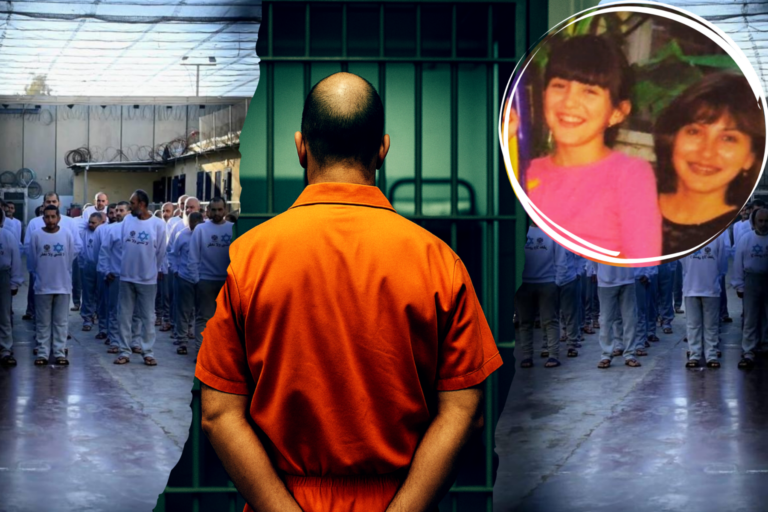
"The person responsible for the attack in which my mother was murdered is now being released in a deal. Right now I don't even know what I'm feeling". This is what Katya Akerman wrote today in a chilling post on the social network Facebook, exposing the heavy price that families of terror victims are paying these days. Behind these words stands a story of loss, prolonged trauma, and now also a confrontation with the reality in which the person responsible for her mother's murder is being released as part of a prisoner exchange deal.
On November 1, 2004, around 11:15 in the morning, the Carmel Market in Tel Aviv, one of the vibrant and bustling centers of city life, turned into a scene of horror and terror. Tatiana Akerman, a thirty-two-year-old woman, came to the market to purchase groceries—a daily task performed by thousands of Israelis that day. A suicide bomber detonated an explosive device near a vegetable stand in the southern part of the Carmel Market, at the spot where Tatiana stood with shopping baskets in her hands. The device contained five kilograms of explosives and was hidden inside a milk bottle.
The explosion was deadly. Three civilians were killed on the spot: thirty-two-year-old Tatiana Akerman, sixty-five-year-old Shmuel Levy from Jaffa, and sixty-four-year-old Leah Levin from Givatayim. More than fifty additional people were injured in the attack, some seriously. The streets of the public market, which moments earlier had been filled with shoppers and vendors, turned into a disaster scene with numerous casualties, screams, and rushing ambulances. Behind each of the murdered victims remained an entire family whose lives changed forever.
Tatiana left behind a devastated family, including her daughter Katya, who was forced to grow up without a mother's presence and dealt with this loss for twenty-one years. The Carmel Market attack was part of the wave of terror during the Second Intifada, a period when suicide attacks were an almost daily phenomenon on Israel's streets. Between 2000 and 2005, thousands of Israelis were murdered in attacks, and thousands more were injured and left with physical and psychological disabilities for life.
Now, within the framework of the current release deal, it turns out that the person responsible for the Carmel Market attack is scheduled to be released. For Katya Akerman and for other families of terror victims, this is a time of difficult confrontation with reality. They are following the expected release of those responsible for murdering their loved ones, while their loved ones remain buried in the ground. The emotional price of this deal is not published in headlines, but it is borne by dozens and hundreds of families throughout the country.
Families of terror victims face a double dilemma: on one hand, they understand the political and security necessity of the release deal, the pressure to return the kidnapped and captives. On the other hand, they are required to pay a heavy personal price—to see the murderers of their loved ones released, sometimes receiving hero's welcomes on the Palestinian side, and to deal with the painful and complex emotions that accompany this reality. For Katya, who grew up without her mother, the expected release of the person responsible for her murder constitutes another trauma in a long chain of pain.
Israeli reality often places families of terror victims in a situation where broad security and political considerations collide with their personal justice needs. Over the years, hundreds of terrorists have been released within the framework of various deals, each of them leaving behind families like Katya Akerman's, trying to understand how someone who destroyed their lives can go free. These questions remain without a satisfactory answer, and the families are left alone with their pain.
In these days, as the deal approaches implementation, the voices of families of terror victims are being heard more strongly. They are not asking to stop the deal, but they demand that the price they are paying not be forgotten. They demand that Israeli society remember that behind every political decision there are families paying the highest personal price. Katya Akerman, in her brief and chilling post, has once again brought this dilemma to public consciousness and forced all of us to confront the true price of such deals.